
Listen to this article
The Cheyenne Corps’ weekly recovery classes help people find connection, understanding and community beyond treatment.
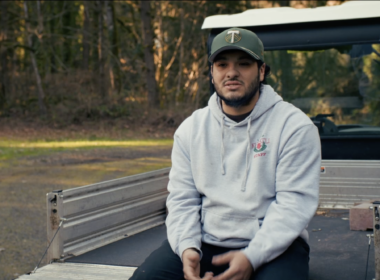
In 2023, Nate Johnson was on the right track toward sobriety, but he knew he needed support to stay there.
He found some of that support when a Salvation Army bus picked him up from a substance use treatment center in Columbia, Missouri, and brought him to church, creating a connection he would carry with him wherever he went.
“They just brought me in, loved me, cared for me,” Johnson said. “That was the start of finding my community.”
He continued attending church with The Salvation Army, growing in his faith and experiencing a level of care and kindness he wasn’t used to. When he missed church, members even went looking for him.
“The Salvation Army saved my life,” Johnson said. “Absolutely saved my life by doing God’s work and showing me what it can be like to live with purpose.”
After returning home to Cheyenne, Wyoming, just months later, Johnson wanted to continue building on his sobriety. He immediately connected with The Salvation Army Cheyenne Corps, finding the familiar sense of community he first experienced in Missouri.
“It occurred to me that The Salvation Army came to get me when I was early in recovery,” he said. “I wanted to do that for somebody else.”
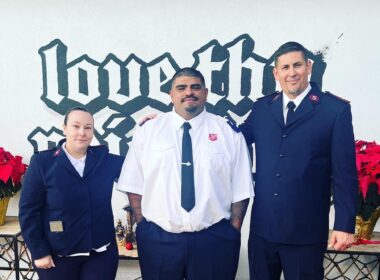
Johnson approached Cheyenne Corps Officers Captains Danielle and Jacob Bratton in 2024 with the idea of expanding local recovery support, and they quickly got behind it.
According to Laramie County Public Health, where Cheyenne is located, substance misuse stands as a concern in Laramie County, where 14.1 percent of adults reported binge drinking within the past month in 2024. In 2023, 70 percent of overdose deaths involved opioids.
“Recovery is for everybody. We all have hurts that we can heal from. We can all do a better job of showing up for one another.”
Lynada Spencer
“Once someone completes any of the local treatment or detox programs, the goal is for them to have that family, that community already there supporting them,” Bratton said. “We realized the corps could be that place.”
Already involved with Volunteers of America (VOA), Johnson helped connect its treatment program with the Cheyenne Corps, bringing participants to church weekly and eventually helping establish meetings at the corps.
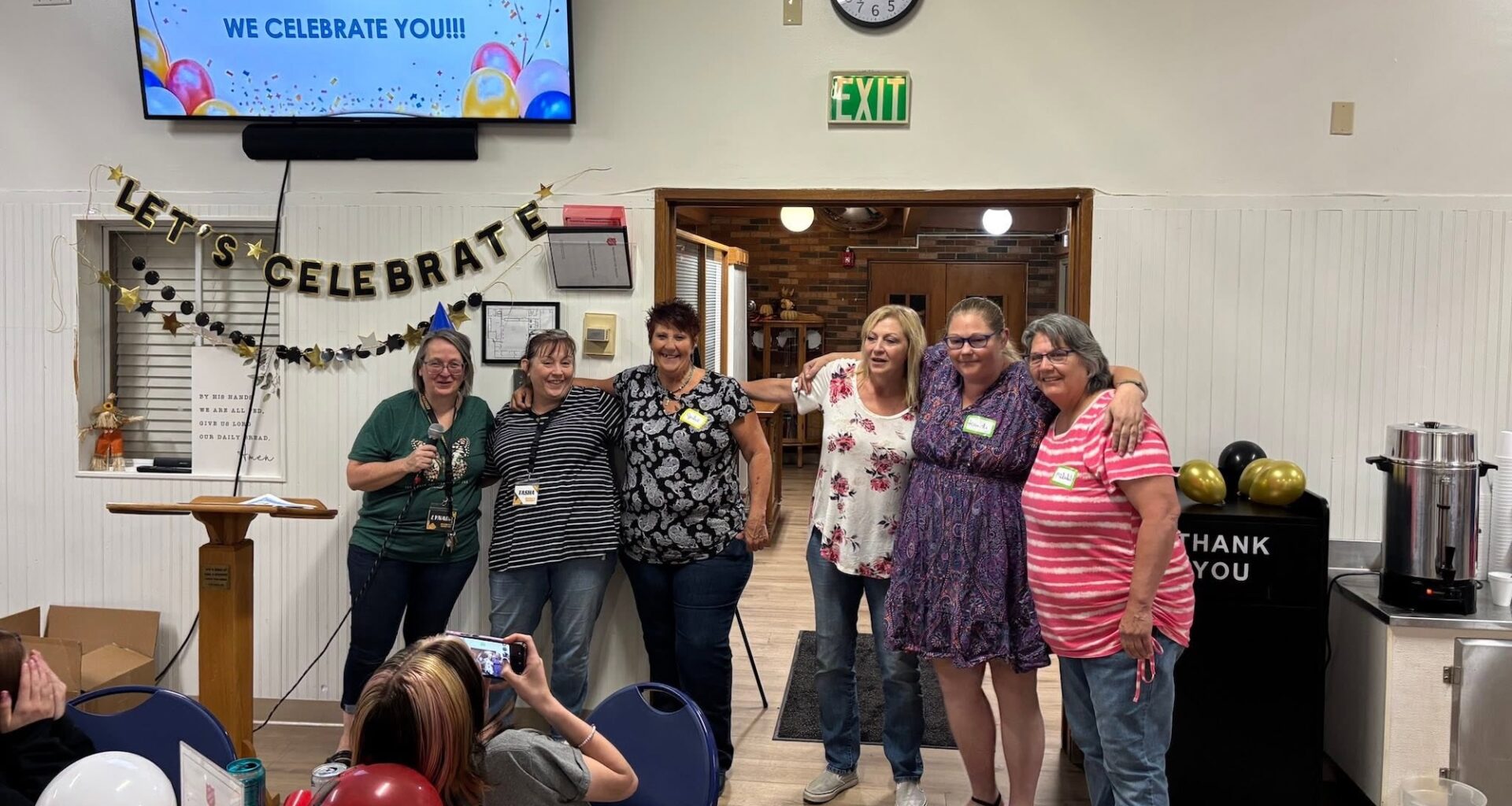
Today, the Cheyenne Corps is a hub of recovery activity, hosting five recovery classes and meetings each week. Free and open to anyone, the classes provide continued connection while helping family members and friends better understand recovery.
“It’s valuable for people in recovery to form connections and know they have someone to turn to,” Bratton said. “They’ve got people they can reach out to and say, ‘Can you go for a cup of coffee right now?’ Or, ‘I need a job. Can you help me?’”
Weekly opportunities for connections include Alcoholics Anonymous (AA) meetings in partnership with VOA, Adult Children of Alcoholics and Dysfunctional Families (ACA), Celebrate Recovery and separate men’s and women’s Celebrate Recovery step-study groups.
According to Bratton, the classes bring in a combined 70-100 participants on a good week, with many attending to support a loved one or to better understand the impacts of addiction and recovery.
“Recovery support shouldn’t only be for the person struggling or working through life’s challenges. It’s for everybody around them, too,” said Lynada Spencer, Celebrate Recovery Ministry Leader at the Cheyenne Corps.
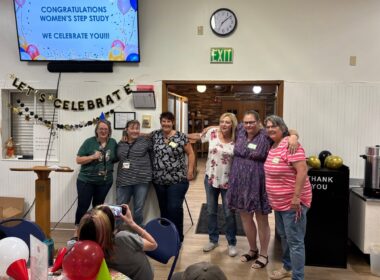
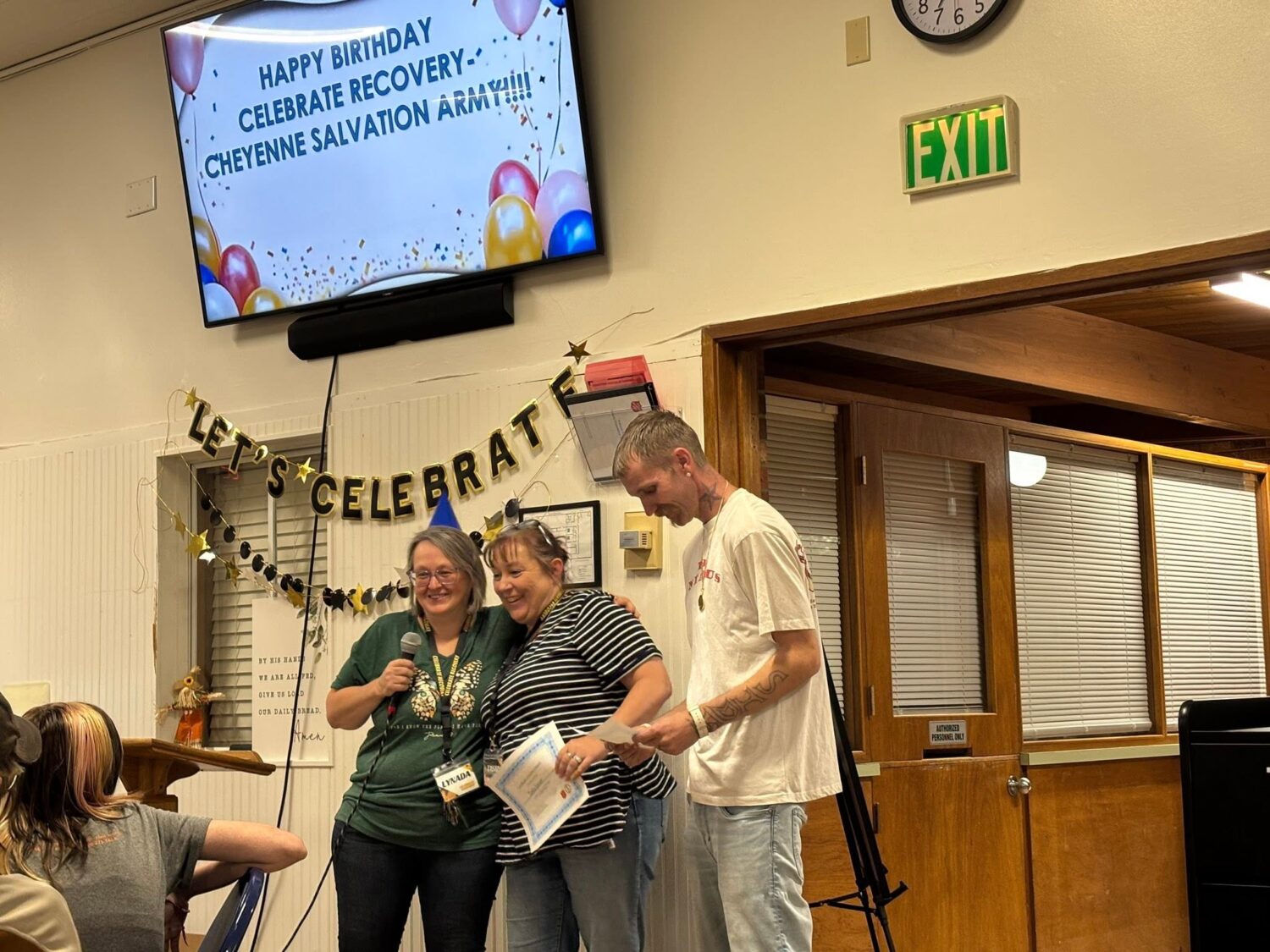
Each week, Spencer helps lead some 30 people through Celebrate Recovery, a Christ-centered program for people working through “hurts, hang-ups or habits,” with a meal, teaching and small-group discussions.
She first connected with a Celebrate Recovery class over five years ago alongside her son following his treatment for alcohol dependency.
“I started staying for the small groups, and I realized it wasn’t just for him,” Spencer said. “I was learning more about what he was going through and things I could work on in myself, too.”
Spencer said working through recovery and other life challenges can often feel isolating, but a support system can help both individuals and their loved ones better understand and navigate the process.
“People need to know they’re not alone. There’s often stigma around recovery, and individuals can feel like they have to hide what they’re going through,” Spencer said. “Through awareness and education, some of these attitudes can shift.”
Through the weekly Adult Children of Alcoholics and Dysfunctional Families class, individuals work to understand how family experiences have shaped them and identify patterns they want to change.
She noted that attendees often arrive carrying negative experiences from their upbringing, but can begin to recognize those patterns and develop new ways of understanding themselves and their relationships.
“There was one participant who arrived, and we could see that she had some built-up emotions and was possibly placing blame on past experiences or familial relationships,” Spencer said.
Through topics such as codependency, forgiveness and how past experiences affect current relationships, the participant gained a new perspective.
“She opened up more, began to trust again and gained a better understanding of her family members,” Spencer said.
That kind of growth can extend beyond the weekly meetings, as people carry new understanding into their relationships and daily lives.
“Recovery is for everybody,” Spencer said. “We all have hurts that we can heal from. We can all do a better job of showing up for one another.”
Do Good:
- Join us in giving joy to families who are experiencing poverty, hunger, job loss and more. Your generosity offers joyful reassurance that even during our most challenging times, we are not alone.
 Download this page as a PDF