

Listen to this article
The Salvation Army Bell Shelter’s GrowGood program combines urban agriculture, workforce training and supportive services to help residents move toward independent living.
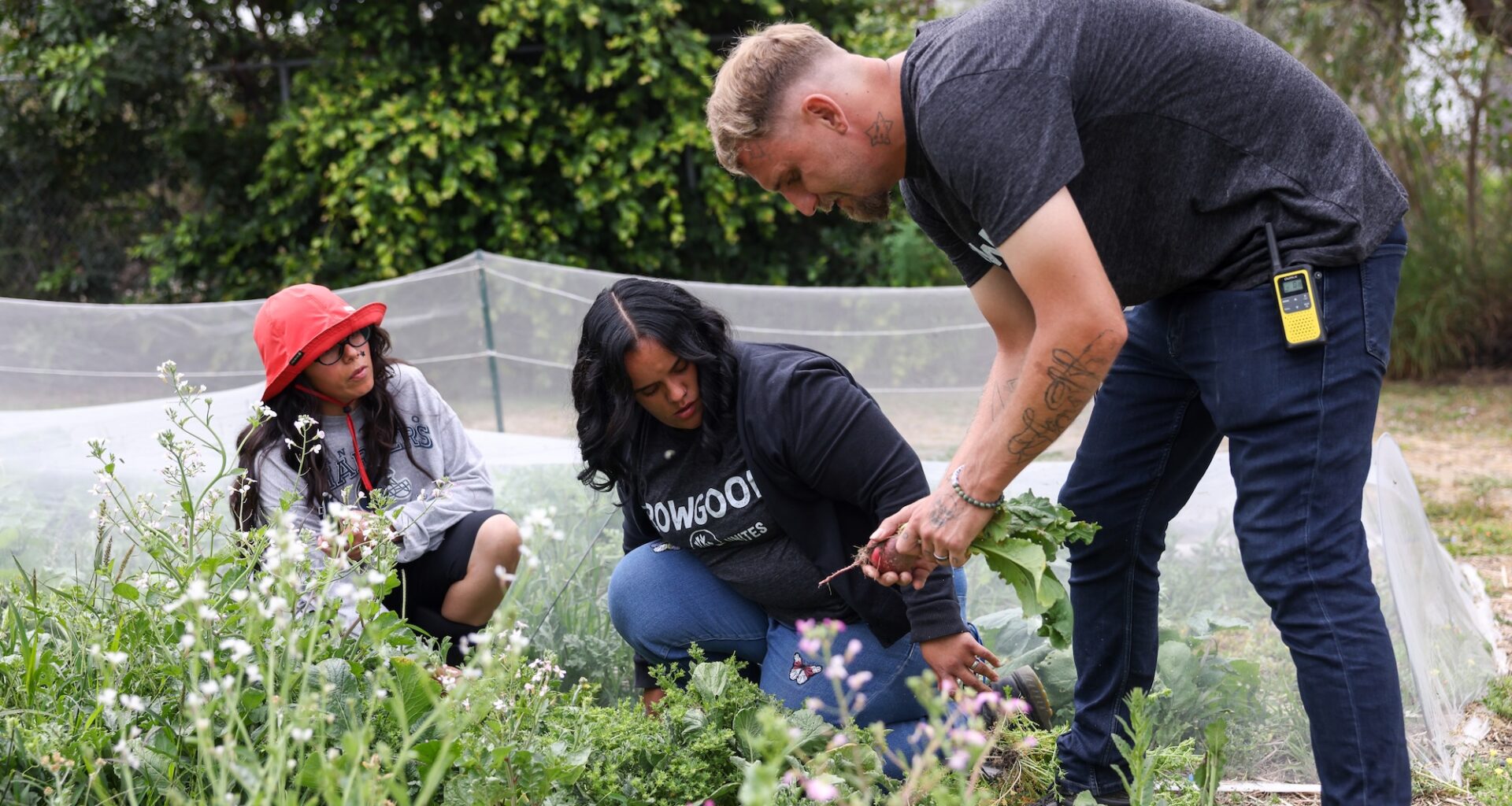
Behind a wooden fence and just yards from the rush of the 710 freeway in Bell, California, rows of flourishing vegetables, fruit trees and the chatter of chickens create an unexpected sense of calm at the GrowGood garden across from The Salvation Army Bell Shelter.
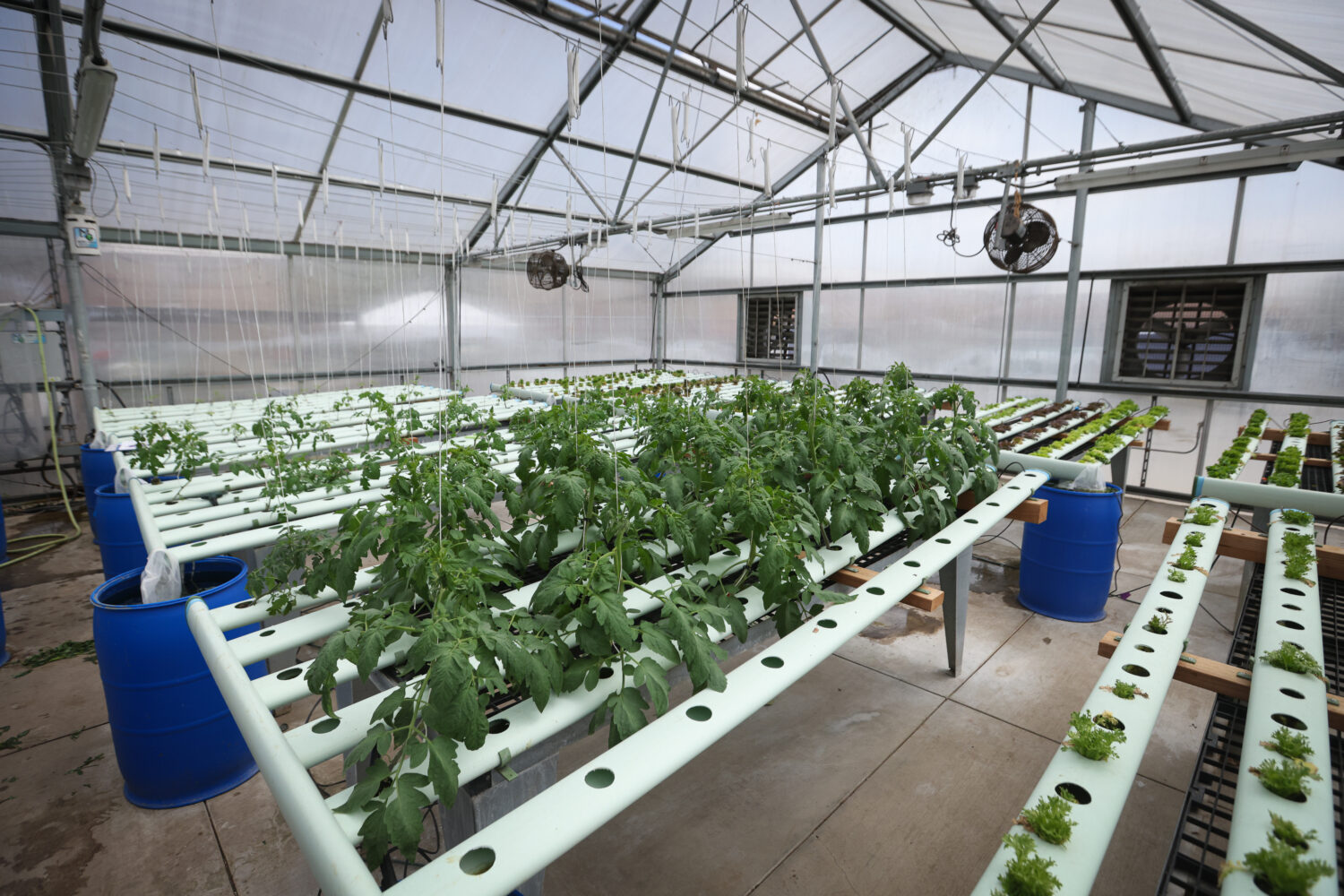
The half-acre urban farm grows more than 40 varieties of produce, with greenhouses, irrigation systems and raised garden beds spread throughout the space.
“You just feel calm when you’re here,” said GrowGood trainee Nathan Ives.
Several days a week, Ives, alongside his wife, Nazarith, spend hours working in the garden through GrowGood’s paid Urban Agriculture and Food Systems Training Program, harvesting crops, pulling weeds and planting seeds.
Just months earlier, the couple found themselves facing homelessness in Los Angeles.
“We realized that we needed support and help,” he said. “Without it, we felt like we’d be on the streets forever.”
After a local street outreach team learned of their situation, they connected the couple to Bell Shelter’s bridge and transitional housing program in fall 2025, where they received emergency shelter, case management, supportive services and access to the GrowGood garden.
Bell Shelter operates as the largest emergency homeless shelter west of the Mississippi River, providing transitional care and permanent supportive housing for up to 350 individuals at a time.
“Many clients are navigating mental health challenges, addiction, trauma and instability all at the same time,” said Bell Shelter Director Paula Del Pozo. “We make sure each person is supported in ways that work best for them and their situation.”
Individuals in emergency and temporary housing regularly meet with assigned case managers to address barriers to stability and help prevent future homelessness, Del Pozo added.
One of those case managers is Cody Thornton, who met individually with the Iveses throughout the week to discuss their needs, including housing, employment opportunities and referrals to on-site mental health services.
“We have to understand that we’re dealing with their lives,” said Thornton. “Housing is essential, but it’s about making sure they’re mentally and emotionally stable too.”
Thornton said he encourages all 21 of his clients to simply visit the GrowGood garden or consider volunteering or applying for the paid training program.
“It’s been healing for us … I deal with anxiety and depression and this has helped me get out of my head a little and just relax. We’re blessed. This place and garden helped me start loving myself again.”
Nathan Ives, GrowGood trainee
“The garden is the perfect opportunity for people to step outside, breathe and just have a clear mind so they can focus,” he said. “It’s amazing what this farm has done.”
For the Iveses, their involvement started with consistent volunteer work.
“We’d find time almost every day to come out here,” Nathan Ives said. “We enjoyed it and it was nice to have something to do together.”
Over time, volunteering led the pair to apply for the paid training program that provides up to 300 hours of workforce development experience.
Since launching in 2025, more than 35 individuals have completed the program. Its participants work hands-on with garden staff to learn and practice the aspects of urban agriculture and food systems.
For the Iveses, working as trainees helped provide financial stability and a new sense of purpose.
“It’s been healing for us,” Nathan Ives said. “I deal with anxiety and depression, and this has helped me get out of my head a little and just relax.”
When they arrive for a shift at the garden, they’re met by GrowGood Executive Director Meghan Steed Garvey and Director of Farm Operations Gregg De La Rosa, who guide trainees through lessons and assignments.
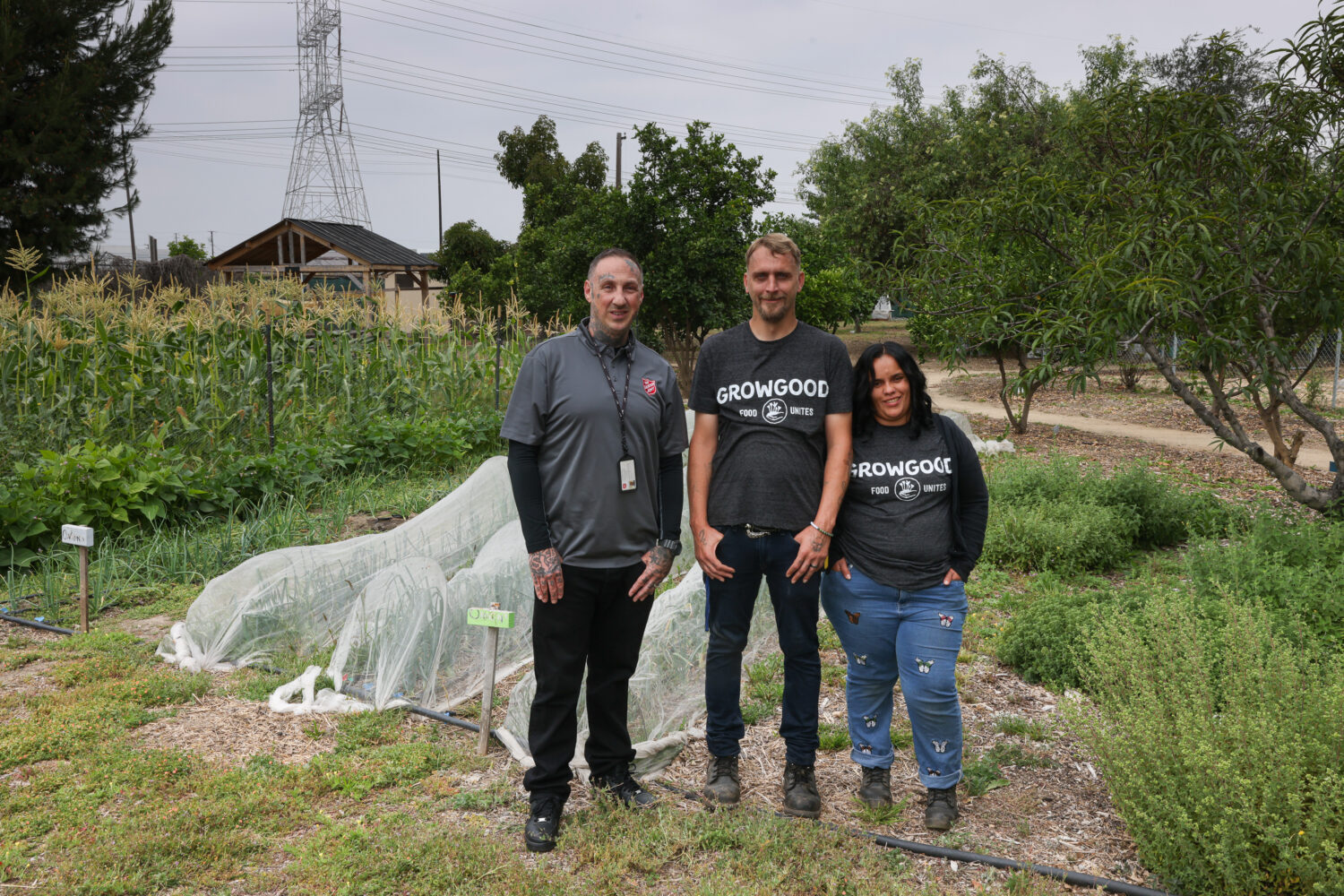
“Sometimes we have larger projects like building garden beds or adding netting to keep squirrels out,” De La Rosa said. “Most days it’s simple planting or regular upkeep.”
He said GrowGood staff connect day-to-day garden tasks to real-world job skills that trainees can carry with them. Once produce is harvested, participants help clean and prep vegetables before they are used in meals served to residents.
“My favorite part is potting and planting because I like being able to work with my hands and stay busy,” Nazairth Ives said, adding they both felt at peace after a day’s work.
Toward the end of training, participants earn their ServSafe certification, providing both a credential and professional reference for future employment.
“We’re teaching people how to garden while also helping them gain confidence and recognize what they’re capable of now and in the future,” Steed Garvey said.
As they progressed through the program, the Iveses saved much of their earnings and worked with Thornton to secure lower-income housing beginning in June 2026.
“It’s a relief knowing we’re not struggling anymore,” Nathan Ives said.
With their new certifications and experience, they are searching for employment opportunities, including a possible kitchen position at Bell Shelter.
“We’re blessed,” Nathan Ives said. “This place and garden helped me start loving myself again.”
Do Good:
- The Salvation Army is committed to providing shelter and support to individuals and families in our community who are experiencing homelessness. By working together, we can make a difference. See more here.
 Download this page as a PDF