



Listen to this article
Months after flooding devastated Skagit County, Washington, Salvation Army disaster teams continue helping a veteran rebuild his property and navigate long-term recovery.
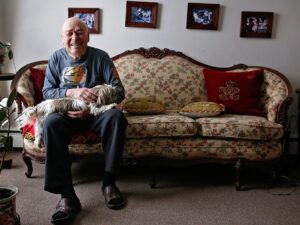
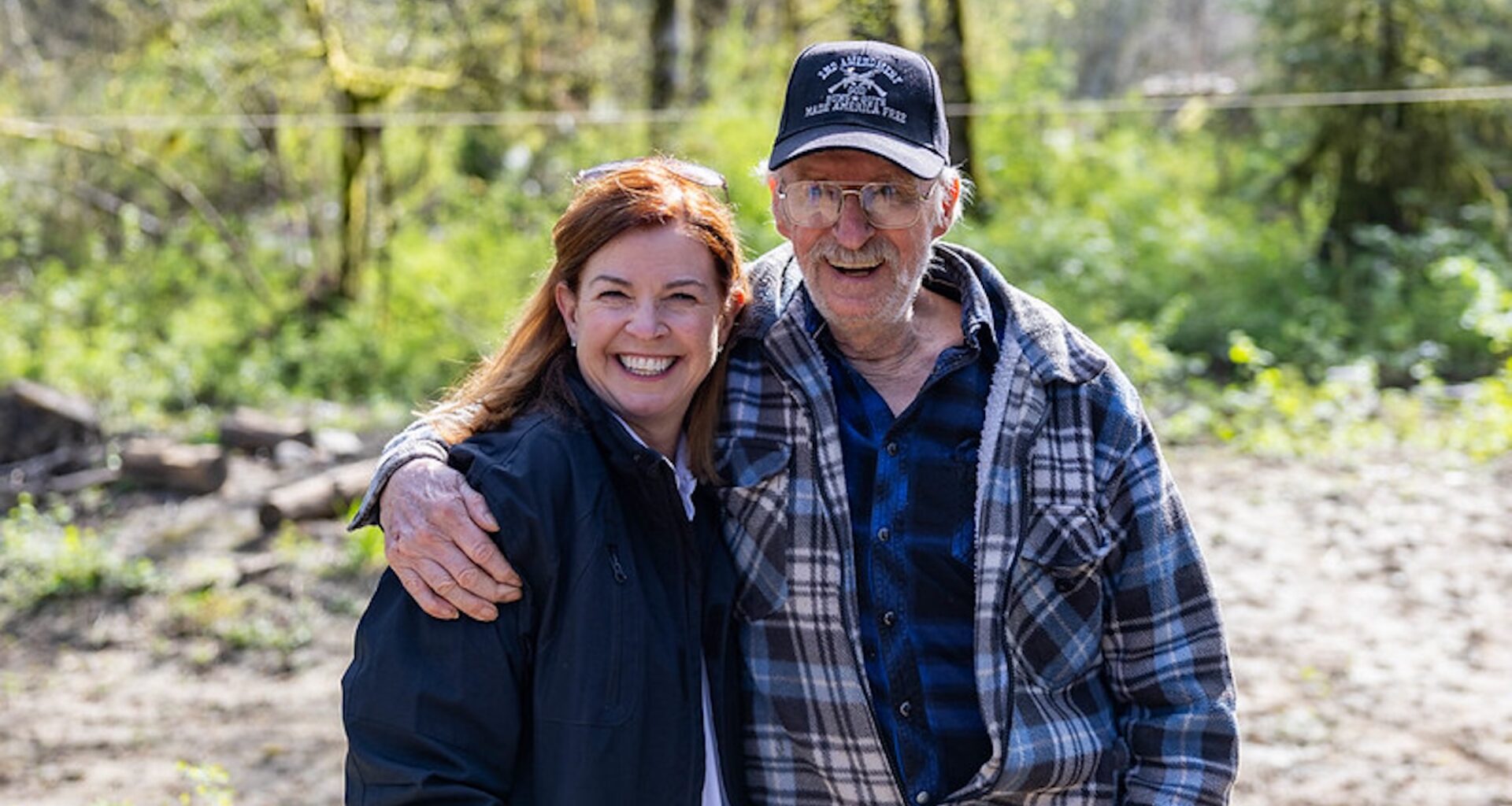
When Disaster Case Manager Danielle Schooler first stepped onto Ken Rogers’ property in the Cape Horn community of Skagit County, Washington, she struggled to walk as her boots sank into the mud.
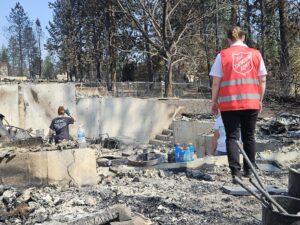
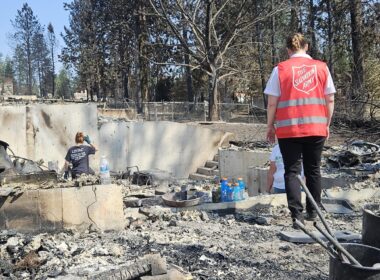
Just weeks earlier in December 2025, catastrophic flooding caused by a series of atmospheric rivers swept through the area, surrounding Rogers’ rural riverside property and inundating it with three feet of water.
The destruction filled one of his two travel trailers, damaging it beyond repair and scattering furniture, tools and personal belongings throughout the neighborhood.
“Many people in the area are used to floods, but this was record-breaking,” Schooler said.
Rogers’ remaining trailer kept him housed, but the flooding left much of the property difficult to navigate. A large crater caved into the land filled with water each time it rained, and as an 80-year-old Army veteran, Rogers could no longer safely walk across parts of his property.
“I didn’t have mud puddles before the flood, but suddenly I had a lot of them,” he said.
As immediate cleanup was underway, Rogers connected with Salvation Army Emergency Disaster Services (EDS) at the Cape Horn neighborhood HOA offices, where EDS directors were assigning disaster case managers to residents.
From there, Schooler began working with Rogers to assess the need and return his living environment to what it once was.
Salvation Army Disaster Case Managers walk alongside survivors as they seek financial assistance, meeting regularly to assess ongoing needs, including property repairs and replacements.
“A lot of support is listening and understanding where they’re at and where we can help them the most,” Schooler said. “We saw how he was trying to manage everything on his own, but it just wasn’t realistic.”
With gift cards and vouchers, Rogers was able to replace damaged clothing and shoes. But Schooler said one of the most urgent concerns was the unstable ground surrounding his property.
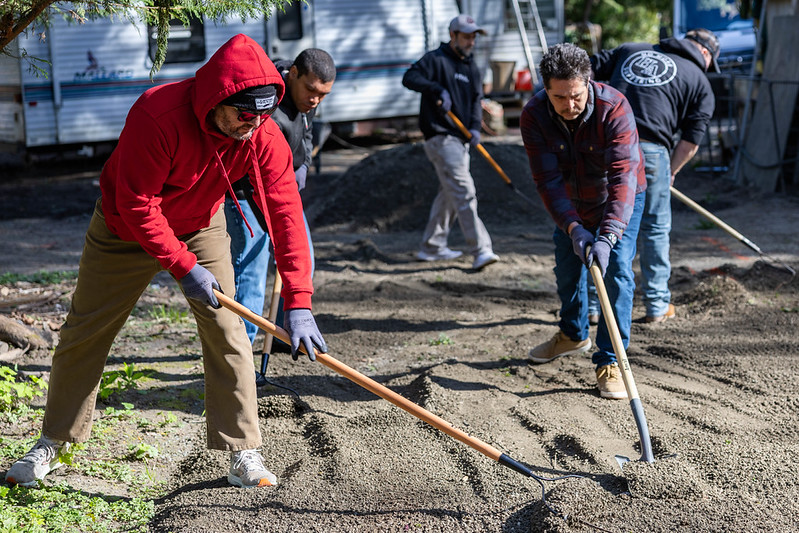
She helped coordinate a team of Salvation Army staff, volunteers and men with the Adult Rehabilitation Program to come out and spread gravel to stabilize and fill in the land.
“Within just a few hours, you could already see the difference,” Schooler said, adding that the improvements left Rogers encouraged and hopeful about the process ahead.
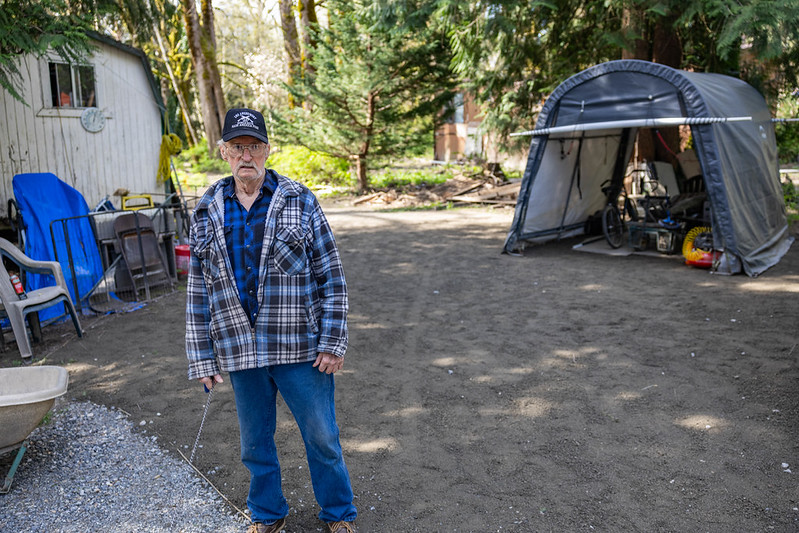
“They were able to do all of this for free,” Rogers said. “With the gravel, I no longer have to walk in water, and now I have a driveway.”
Once major safety concerns were addressed, Schooler began focusing on Rogers’ long-term recovery needs, noting many disaster survivors require continued support long after cleanup efforts end.
She once served as a Salvation Army disaster case manager following the 2021 floods in Skagit County, where some residents are still recovering.
And now, she has 205 active disaster cases.
“Most survivors need someone who will continue showing up and helping them take the next steps,” Schooler said. “It’s rarely a quick process.”
For Rogers, living without a smartphone or printer posed obstacles in accessing documents and completing assistance applications on his own. Schooler made frequent visits to his property to assess damage, gather paperwork and determine what items could be replaced through assistance programs.
They soon learned that Rogers qualified for state assistance to replace the RV destroyed in the flood.
“I can see a difference in him compared to when we first met,” Schooler said. “He definitely seems happier and in higher spirits.”
While the approval process for the RV continues, Rogers said the ongoing support helped make the clean-up and recovery process less overwhelming.
“I couldn’t thank everyone enough,” he said. “I’d never be able to get this done on my own.”
With reporting by Elaina Dulaney
Do Good:
- When disaster strikes, The Salvation Army is already there to provide immediate relief and long-term recovery support. By working together, we can make a significant impact on the lives of those affected by disasters. See more here.
 Download this page as a PDF