



Listen to this article
And the health benefits that come with it
This story is part of Caring’s 2026 print edition, “Joy That Moves,” featuring lives changed through the joy of giving. Read the issue here.
After a crisis like a natural disaster strikes, communities come together in remarkably hopeful ways.
When the COVID-19 pandemic hit in 2020, some people spent their free time making homemade masks for health care workers facing shortages. When a wildfire devastated Maui in 2023, world-renowned chefs came together to cook thousands of meals for those who lost their homes. In Los Angeles in 2025, the community created an impressive network of volunteers that made headlines. More recently, Minnesotans came together to help their neighbors with everything from diaper runs to transportation for medical visits for people who were afraid to leave their homes.
Sociologists refer to this phenomenon as “bounded solidarity,” when a crisis causes people to see each other as a collective, not as individuals. As a result, this creates an environment that leads to extreme acts of altruism. But as many people who have experienced this firsthand know, “bounded solidarity” often fades—in part because we live in a culture that prioritizes, and necessitates, making an income and taking care of your own basic needs first.
In my book “Your Brain on Altruism: The Power of Connection and Community during Times of Crisis,” I asked the question: what if bounded solidarity didn’t fade? Is it possible to create a culture that values kindness and caring for each other, and that prioritizes giving people opportunities to do so?
Additional Reading
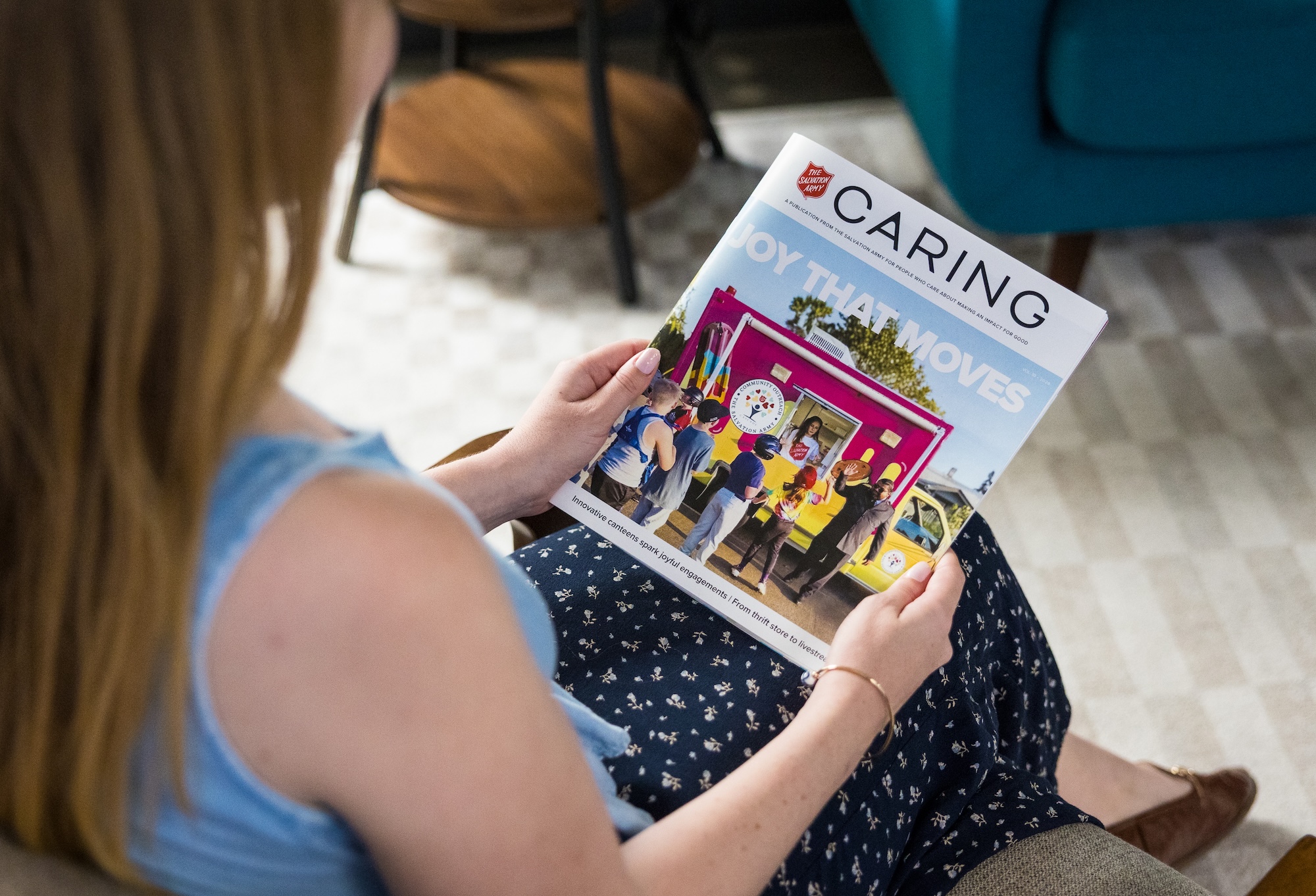
“Your Brain on Altruism: The Power of Connection and Community during Times of Crisis” (University of California Press, 2025) by Nicole Karlis explores the science behind how helping others improves physical and mental well-being, builds resilience and fosters community.
We know there are numerous health benefits to caring for others. For example, volunteering, especially as we age, can reduce stress, blood pressure, and help ease loneliness. It is even associated with living a longer life. But what are the health benefits of living in a culture where caring for others is truly prioritized by policymakers, our education system, in the workplace, and at home? A culture where everybody, regardless of age, ethnicity, income status, and everything else that divides us, feels supported and like they belong. Researchers are increasingly arguing that a culture where institutions prioritize caring for others is not just a nice-to-have in society, but it may be the key to stronger public and societal health.
“Having a community and a network in itself is very crucial for well-being and health,” Arjen de Wit, a researcher at the department of Sociology at Vrije Universiteit Amsterdam, who studies volunteering, told me. “It’s partly because of the information effect, and partly because of just the sense of belonging and the idea that you’re part of a community, and that you have others to talk to.”
The information effect, De Wit elaborated, is one reason why being part of a culture of caring could improve public health. If people are open enough to exchange information with each other, that means people are able to trust each other. The information effect can range from suggesting a doctor to helping another person with an insurance claim or giving someone a ride to a doctor’s appointment.
De Wit said it’s not just about small talk, though. It’s also important to have people to share your problems with in a community. In other words, being part of a community of people who care about you and vice versa.
In 2014, researchers published a study in the Journal of Epidemiology and Community Health that found “higher perceived neighborhood social cohesion” could have a protective effect against heart attacks. How people view their connectedness to their communities, the research suggested, can influence whether a person survives one of the most serious medical events a person can face.
In 2023, a different group of researchers asked the question of whether prosocial behaviors, such as actions that are intended to benefit another person or society, led to better health outcomes in a population. Their meta-analysis found that the answer was yes, prosocial interventions, including acts and expressions of kindness, changed measurable health outcomes in vulnerable groups.
However, institutions shape what society values, De Wit said, which means infrastructures decide what’s important. Hypothetically, in a culture that cares, volunteering would be supported and promoted by all institutions, which could lead to more people engaging in volunteering and benefiting from it in their communities.
“Volunteering can contribute to quality of life,” De Wit said, adding there’s also a psychological health advantage to volunteering. “This sense of belonging and this purpose in life.”
Research has shown that 90 percent of Americans want to volunteer their time, but only one out of four actually do. When asked why they don’t, people often say they don’t have enough time, volunteer schedules are inflexible, people don’t have enough information, or they were never asked to volunteer. It’s the latter that could be the game-changer.
“The most important predictor of volunteering is that you’re asked,” De Wit said. “That you have something or somewhere in the network, that you see the opportunity, or be asked to volunteer.”
If institutions valued volunteering, say workplaces had volunteer days where employees could take the day off to volunteer, more people would experience the benefits, and that could lead to improved societal health and well-being.
“Having a community and a network in itself is very crucial for well-being and health. It’s partly because of the information effect, and partly because of just the sense of belonging and the idea that you’re part of a community, and that you have others to talk to.”
Arjen de Wit
Clinical psychologist David Cregg said in psychology, there is a theory known as the “self-determination theory,” developed by psychologists Edward Deci and Richard Ryan, which suggests that humans have three basic psychological needs.
The first need is autonomy, meaning a person feels they are freely choosing their actions. The second is competence; a person wants to feel good at what they do or the sense that their actions are making a difference. The third is relatedness, which is essentially social connectedness. If these needs are met, Cregg said, humans can thrive in a community. If one or more of these needs are blocked in some way, people tend to struggle.
“When it comes to having healthy communities, when basic needs like food and shelter are met, and there are mutual caring relationships within the community, the community as a whole is more likely to flourish,” Cregg told me. “It’s difficult to fulfill the basic psychological needs of autonomy, competence, or relatedness if someone does not have the means to pursue their interests, like transportation, the programs to develop skills for developing competence, or they feel isolated within the community.”
Cregg said if communities are proactively built to help people meet these three needs, people will feel more satisfied with their lives. He added that when people feel a “sense of belonging,” it can “promote healing like few other things can.” Indeed, much of Cregg’s work focuses on the health effects of providing support to others. Cregg said his work shows that the support people show to others “may be even more important than the support we receive for determining our health.”
“I think this fact is especially important to emphasize to people living with serious health conditions, who may have had the message communicated to them that they can only receive help, but not offer it themselves,” Cregg said. “As a psychologist, I’m often stressing to my clients with serious mental health conditions that they have unique talents that their community needs, just as much as they need their communities.”
Once this fact is realized, he added, “that sense of purpose and contribution can be life-changing” for a person’s well-being.
As De Wit said, what institutions value matters. Individuals can only do so much without institutional support. However, if governmental bodies prioritize caring by enacting stronger social safety nets, this would also improve public health in a culture that cares. According to the World Health Organization, health inequities are shortening people’s lives by decades. As a result, the organization has called for collective action from governments, national and local, to invest in social infrastructure and universal public services and address economic inequality.
Cregg said if people felt a greater sense of “connection and caring” from policymakers, it would combat some of the widespread isolation people are feeling, which has adverse health effects.
“As well as the feeling that we must do everything on our own without help,” Cregg said. “That said, I want to emphasize that in research studies with head-to-head comparisons between giving support and receiving support, it’s giving support to others that has a bigger effect on well-being.”
The takeaway from that research, he believes, is not to wait for your policymakers to do something, but to be the example in your own community if your circumstances allow.
“If we all adopted that ‘active helping’ mindset, it would create a contagious spread of kindness through our communities, and we would all thrive a bit more,” Cregg said.
Do Good:
- Hear Nicole Karlis share more about the power of altruism on The Do Gooders Podcast at caringmagazine.org/karlis.
- No matter what your skills or interests are, there is a volunteer opportunity that is a good fit for you. Discover an opportunity close to home at volunteer.usawest.org.
 Download this page as a PDF