

Listen to this article
Marshallese Ministry helps migrants find a spiritual home in Sacramento.
This story is part of Caring’s 2026 print edition, “Joy That Moves,” featuring lives changed through the joy of giving. Read the issue here.
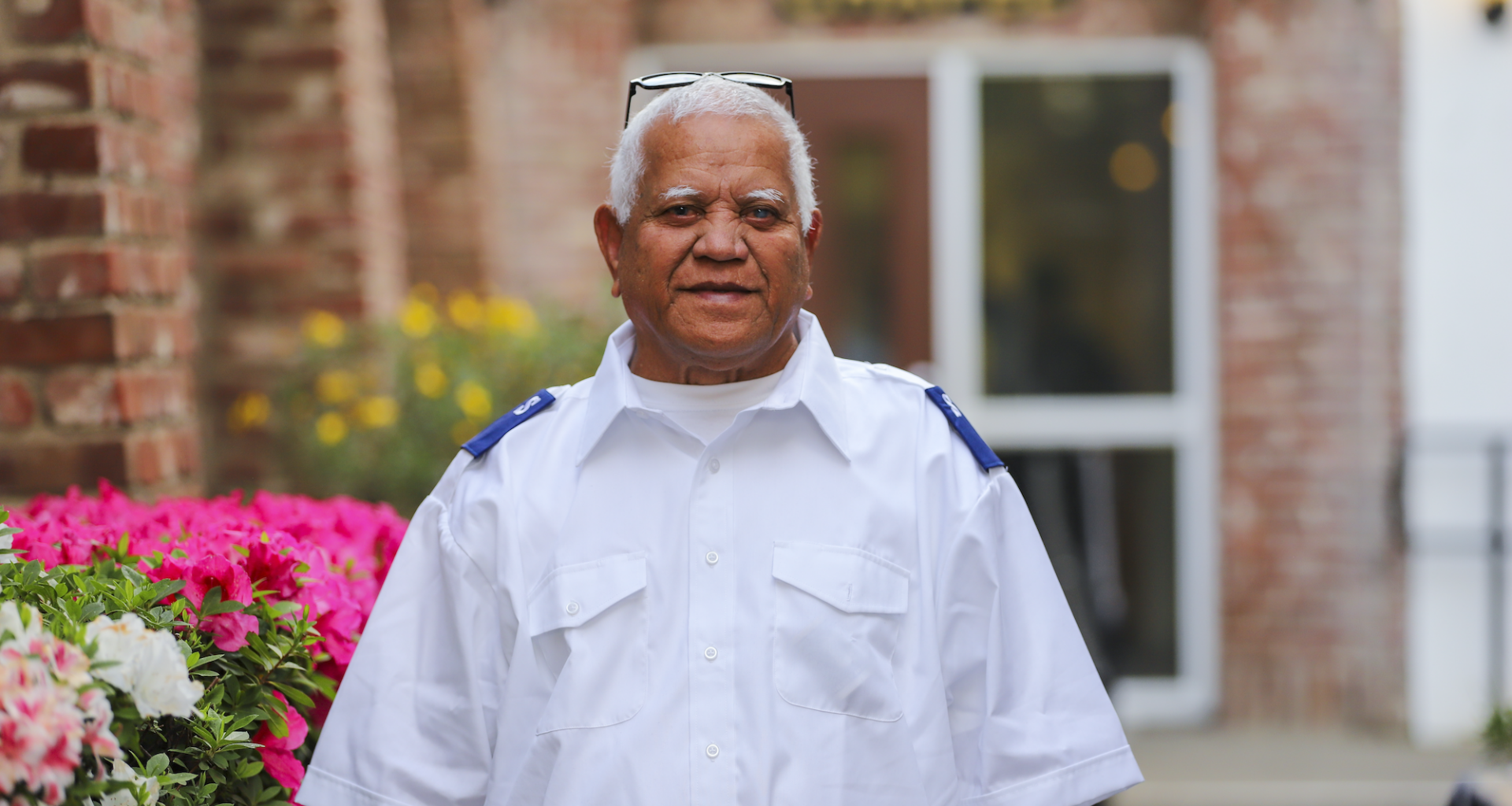
Years ago in Ebeye, in the Republic of the Marshall Islands, John Loeak was the man outside The Salvation Army corps building—drunk, yelling, sometimes throwing things during Sunday services. The Salvation Army officer never told him to leave. Instead, he offered a seat inside, even if it was at the back and even when he was drunk.
One day, Loeak accepted the invitation and walked in. He remembers what changed that day not as a sudden shift, but as a moment of being seen differently.
“He never judged me for my past; instead, he saw me as a child of God,” Loeak said.
That sense of belonging followed him across the Pacific Ocean.
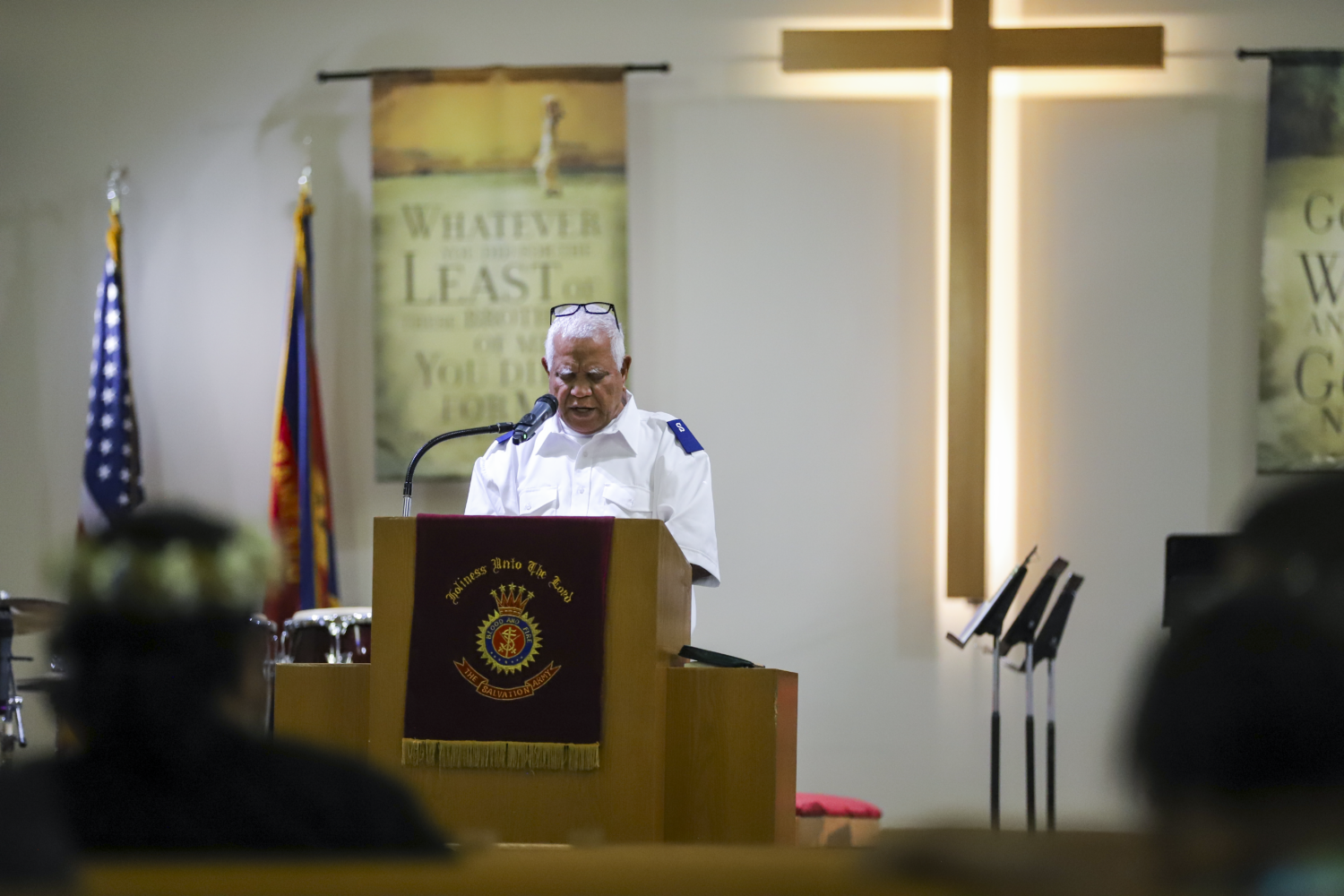
Today, years later, in Sacramento, California, that same man and his family are at the heart of The Salvation Army’s Marshallese ministry at the Sacramento Citadel Corps—a fellowship blending worship, culture and practical support for island families far from home.
Over the years, the Sacramento area has welcomed a sizable number of immigrants from the Marshall Islands, many of whom have come to the United States under the Compact of Free Association, which allows citizens of the Republic of the Marshall Islands to live and work in the U.S.
What is the Compact of Free Association?
The Compact of Free Association allows admissible citizens of the Federated States of Micronesia (FSM) or Republic of the Marshall Islands (RMI) to live, study and work in the U.S.
Sacramento County is home to nearly 2,000 Marshallese residents, according to U.S. Census Bureau estimates—one of the largest concentrations in California.
The migration reflects both opportunity and necessity: limited jobs, high costs of living and overcrowding in places like Ebeye have pushed many to leave, while access to health care, education and employment has drawn many to the U.S.
Marshallese communities in places like Sacramento have grown through family ties and church networks, as early arrivals helped others settle and build a sense of home far from the islands.
“A lot of them come out this way to support their families,” said Lt. Sharon Reimers Trimmer, a Western Territory Salvation Army officer whose family helped start The Salvation Army’s work in the Marshall Islands. “There aren’t many opportunities back home, so relatives here work and send money back. That’s one of the main reasons people come.”
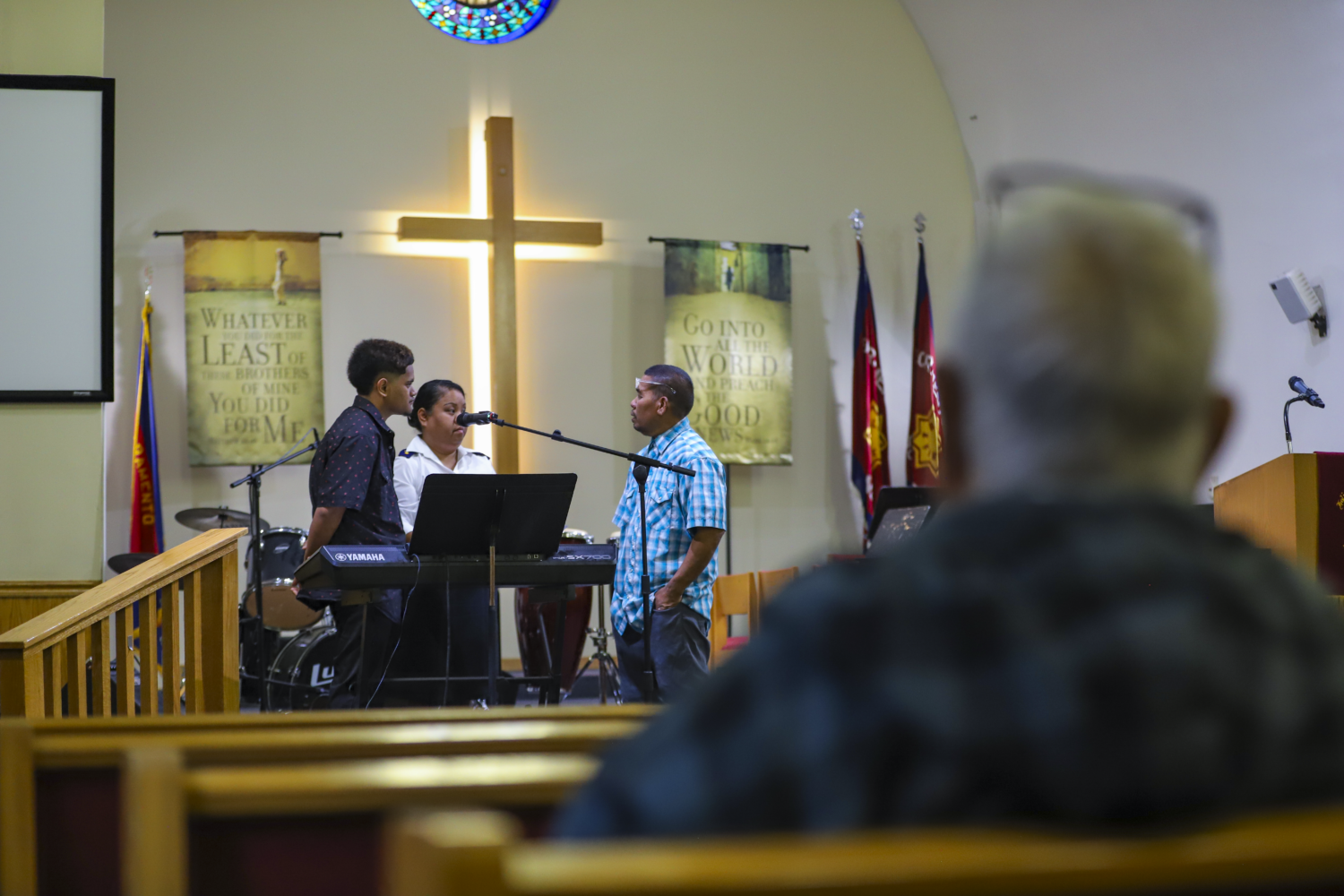
At the Sacramento Citadel Corps, that ministry takes shape through a weekly rhythm of gatherings that bring families together beyond Sunday worship. Alongside the Sunday evening Marshallese service, the corps offers Bible study, women’s sewing nights, youth and music programs, and informal spaces where relationships form across generations. Leaders say the goal is not only spiritual support, but continuity for families navigating life far from the islands.
40 years serving the Marshall Islands
Forty years ago, The Salvation Army’s work officially began in the Republic of the Marshall Islands (RMI) following the efforts of Overton Clarence, who learned of the organization after receiving a War Cry from a U.S. Navy chaplain. When he assessed the needs around him, especially for youth—with reports claiming many experienced a lack of direction, unemployment, teen pregnancy and alcoholism—he believed The Salvation Army could do something. Today, The Salvation Army’s presence in the Marshall Islands spans nine corps: Rita, Laura, Arno, Ine, Ebeye, Jabor, Jaluit, Narmiej and Imiej.
“It’s a place where people can come together in every part of life,” said Sacramento Citadel Corps Officer Major Jan Pemberton.
Music and worship are central to the ministry, shaping both Sunday gatherings and midweek programs. Leaders describe it as an expression of faith rooted in Marshallese culture, where singing and movement carry joy and gratitude.
“When it comes to worship, there’s a lot of joy,” Trimmer said. “It’s about giving thanks to God for everything—even if you don’t have a lot. People celebrate life, and they do it together.”
Envoy Cathy Simon said that expression begins early and is part of daily life for many children growing up in the ministry. “You will see little kids grabbing a ukulele and starting to play, or dancing when they hear music,” she said. “It’s just part of how they grow up.”
Pemberton said that foundation continues through structured worship and youth involvement across services and programs. “They’re learning how to lead praise and worship,” she said, describing youth moving between Marshallese and English expressions of faith. “What they’re learning is the foundation—how to worship together.”
For Loeak, the ministry is no longer only about his journey from Ebeye to Sacramento, but what it has become for his family and others who gather there each week. In a city far from the islands, the corps has become a place where language, culture and faith overlap—and where new arrivals may find familiar faces waiting. It is, he said, something he does not take for granted.
“That sense of acceptance, love and unity,” Loeak said, “is what makes The Salvation Army in Sacramento so special to us.”
Do Good:
- The Salvation Army offers a welcoming and supportive environment where you can connect with your faith and find peace. Find a worship community near you at caringmagazine.org/worship.