



Listen to this article
As new regulations take hold, retailers are partnering with The Salvation Army to keep unsold clothing out of landfills.
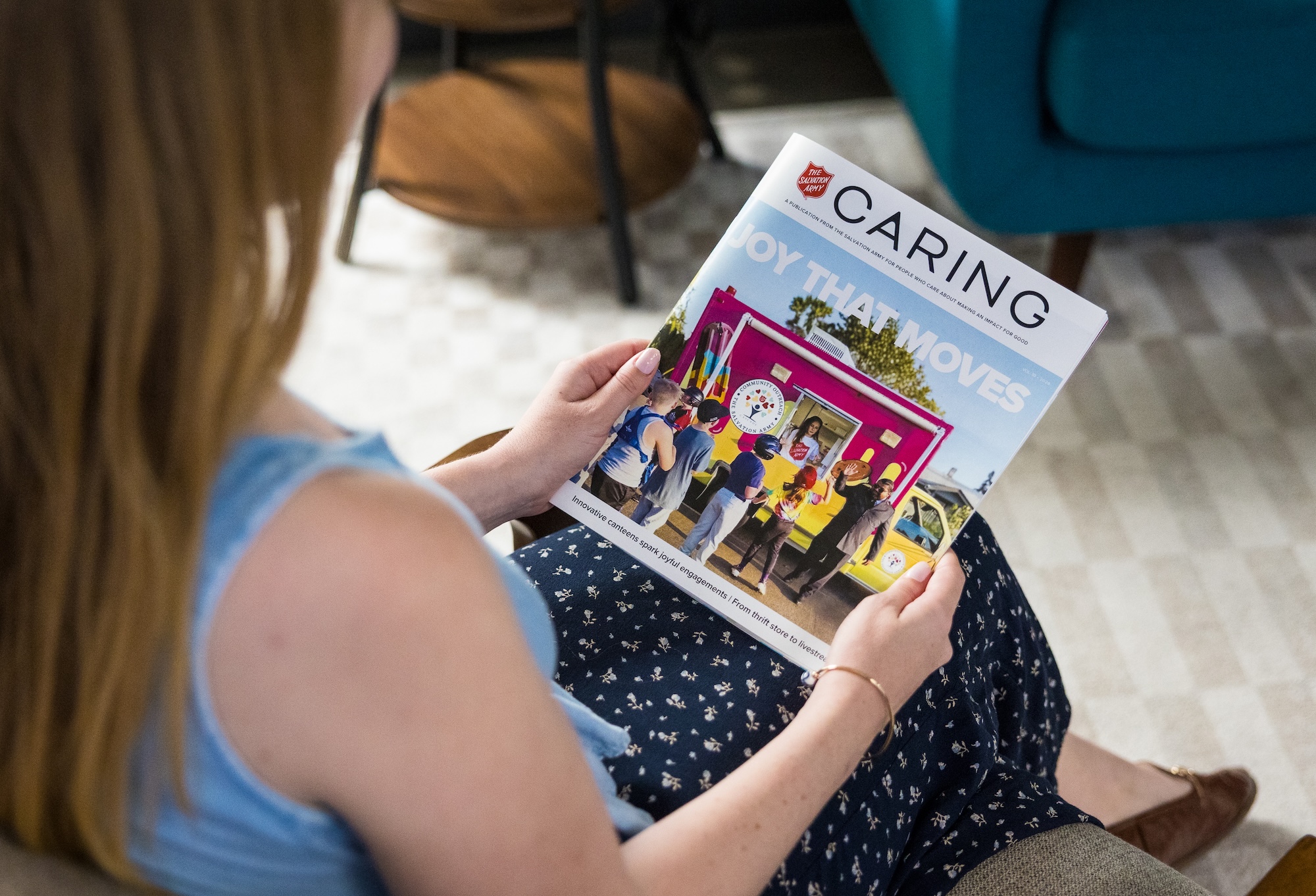
This story is part of Caring’s 2026 print edition, “Joy That Moves,” featuring lives changed through the joy of giving. Read the issue here.
For decades, unsold clothing from major retailers often had nowhere to go, moving from rack to out of sight with little accountability for its final destination.
Globally, the fashion industry generates an estimated 92 million metric tons of textile waste each year, with the majority ending up in landfills or being incinerated.
“The amount of waste is staggering,” said Atticus Firey, Director of Donations Development for The Salvation Army Adult Rehabilitation Centers (ARC) in the Western Territory. “Especially when you see how the different materials and pieces can still be used.”
Growing regulatory pressure, including California’s SB 707, enacted in September 2024, is pushing retailers to take greater responsibility for excess inventory.
Known as the Responsible Textile Recovery Act, the law—the first of its kind in the U.S.—holds clothing producers accountable for the full lifecycle of their products, creating opportunities to reduce waste, increase transparency and set new expectations for responsible consumption.
“The amount of waste is staggering. Especially when you see how the different materials and pieces can still be used.”
Atticus Firey
“This law sets a new standard for sustainable textile management,” Firey said. “It’s a major development because now merchants have to be aware of where their items end up.”
As retailers work to meet new requirements, many are partnering with The Salvation Army to pass along unsold goods—extending their life, keeping items out of landfills and ensuring a reliable stream of donations for Salvation Army thrift stores.
Partnerships in action
A Donations Development Team within The Salvation Army Adult Rehabilitation Centers Command works directly with corporate retail partners to coordinate the flow of increased inventory to thrift stores and distribution centers nationwide.
Launched in fall 2024, the team tracks which stores are in need of product and manages where donations are delivered to be sorted and stocked in stores.
Proceeds from items sold in Salvation Army thrift stores directly support the ARCs, residential programs that assist individuals experiencing a variety of social, emotional and spiritual challenges, including substance abuse.
“Keeping our thrift stores full supports the life-changing work of our Adult Rehabilitation Centers,” Firey said.
Ongoing donation partnerships include HomeGoods, T.J. Maxx, Marshalls, Walmart, Nordstrom, and more, which contact The Salvation Army when they have excess new, unsold inventory.
“Since starting, we’ve brought on board over 142 corporate partners who have donated a combined 282 times,” Firey said, adding most donations amount to truckloads full of pallets.
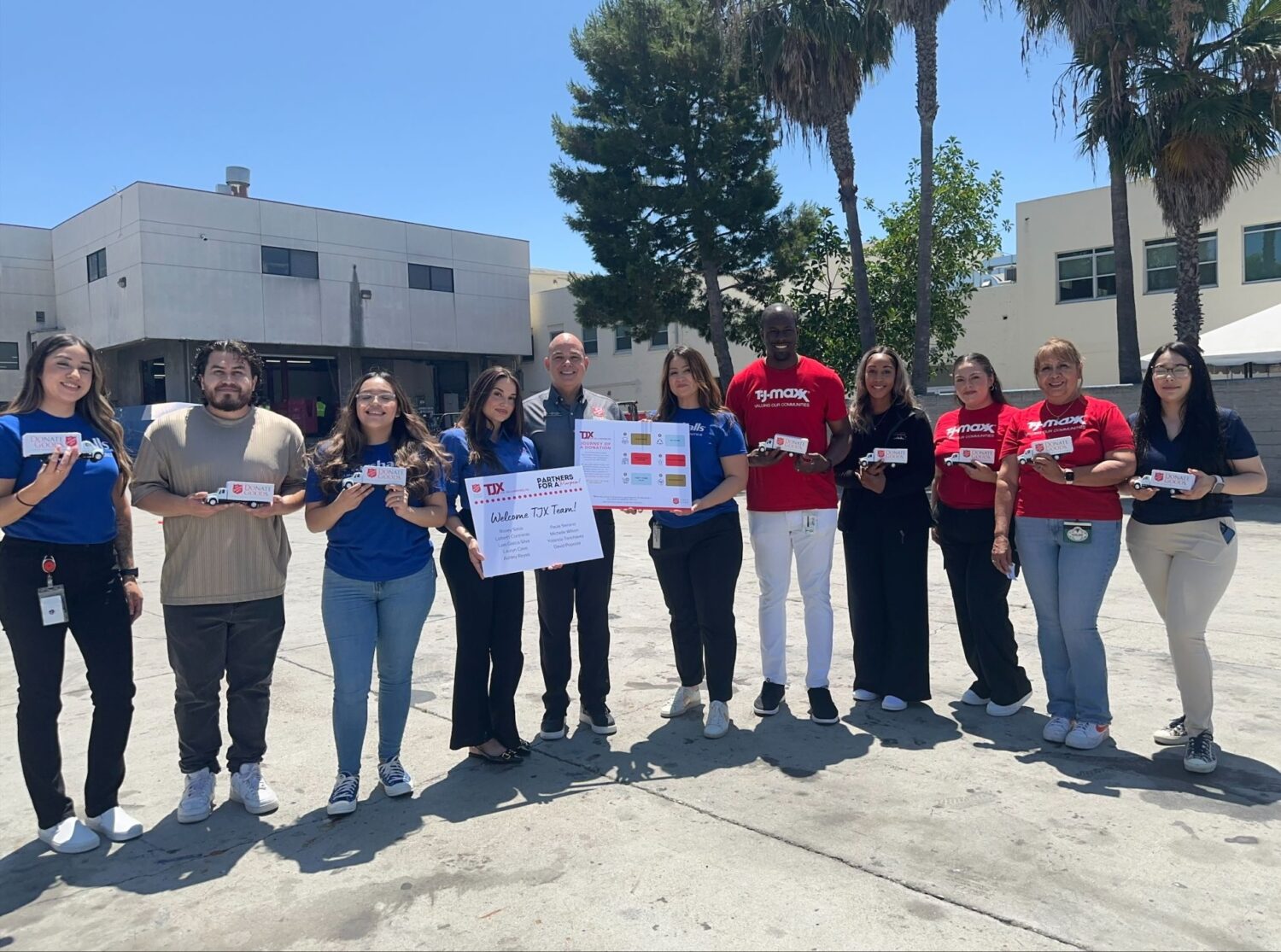
The partnerships help thrift stores maintain an inventory full of high-quality items, said Bianca Nemtoc, manager of donations development and sustainability.
“It’s expanding the variety of what our thrift stores offer,” Nemtoc said. “Customers are discovering items that feel new, on-trend and accessible.”
The arrival of items from global fashion retailers has sparked social media buzz, with online influencers creating trends and challenges around hunting for these sought-after, name-brand pieces at a bargain.
“Retailers are left with more product than they can sell because of the sheer volume,” Firey said. “We help make sure the products get a second chance to be used.”
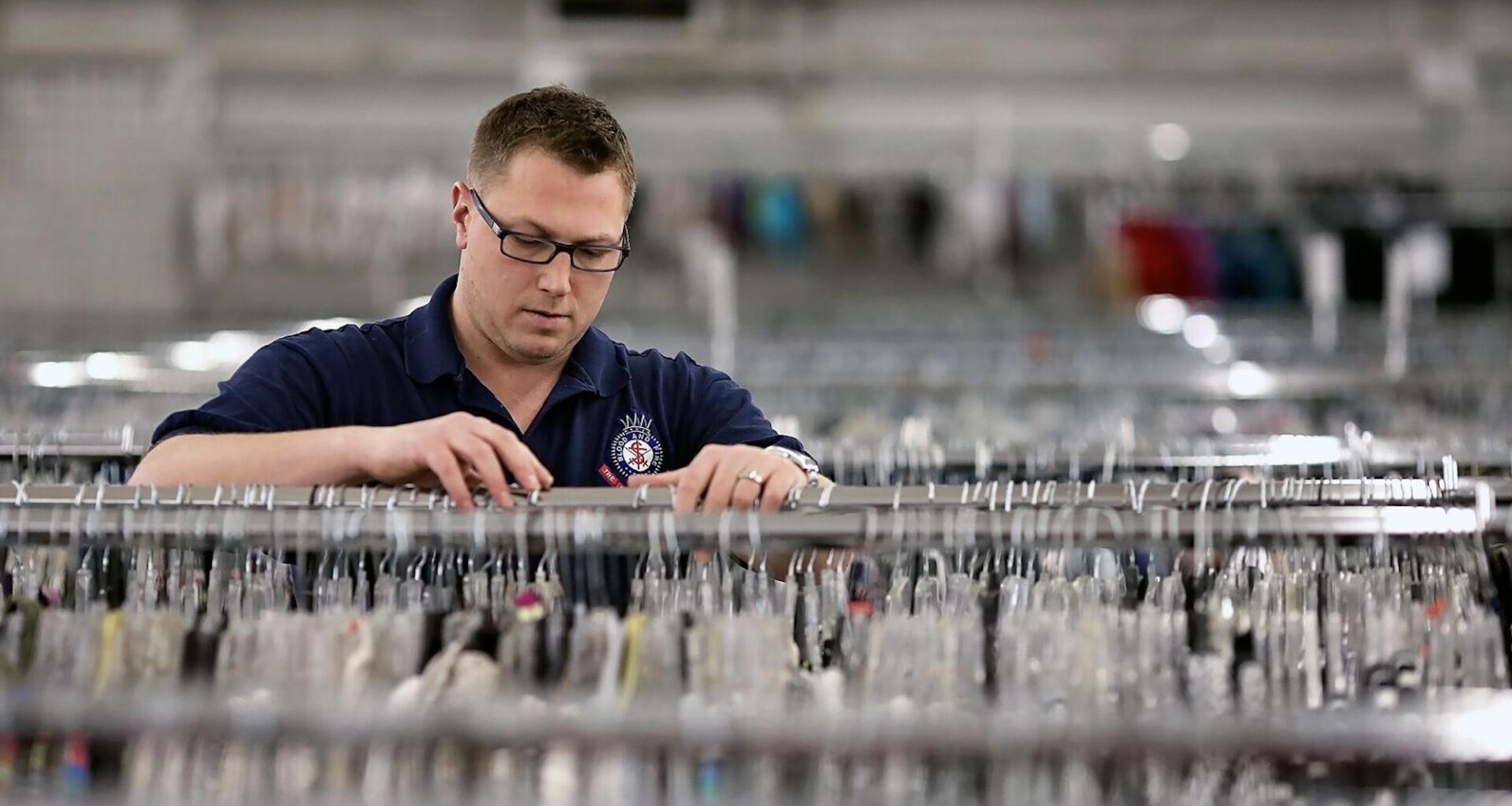
When Nemtoc is notified of a large donation from a retailer, she determines which sorting center each shipment should be sent to. There, employees sort the items before they are distributed to thrift stores for sale.
To further reduce waste, unsellable pieces are repurposed as textiles and donated to local fashion and design colleges, such as OTIS College of Art and Design, where they are used for student projects, art installations and creative reuse initiatives.
“The goal is for minimal materials to actually go to waste,” Nemtoc said. “And we’re seeing that most things can be used in some way.”
Nemtoc added that with continued regulations and partnerships, she envisions a future where mindful consumption and reuse are standard practice.
“It’s helping set new standards and expectations,” Nemtoc said. “Not just for how retailers manage excess inventory, but for how we as consumers think about reusing and repurposing items responsibly.”
Do Good:
- Join us in giving joy to families who are experiencing poverty, hunger, job loss and more. Your generosity offers joyful reassurance that even during our most challenging times, we are not alone.
 Download this page as a PDF