


Listen to this article
One year later, support for wildfire survivors remains
Raging flames and smoke filled the skies over Southern California on Jan. 7, 2025, as the Palisades and Eaton wildfires tore through communities from Malibu to Altadena, destroying homes and forcing thousands to evacuate.
The fires continued to spread for over three weeks due to dry conditions and high winds, burning more than 37,000 acres across the region and destroying over 16,000 homes and structures.
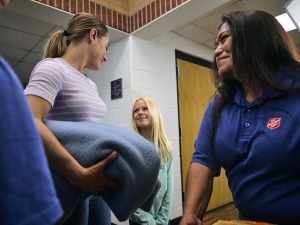
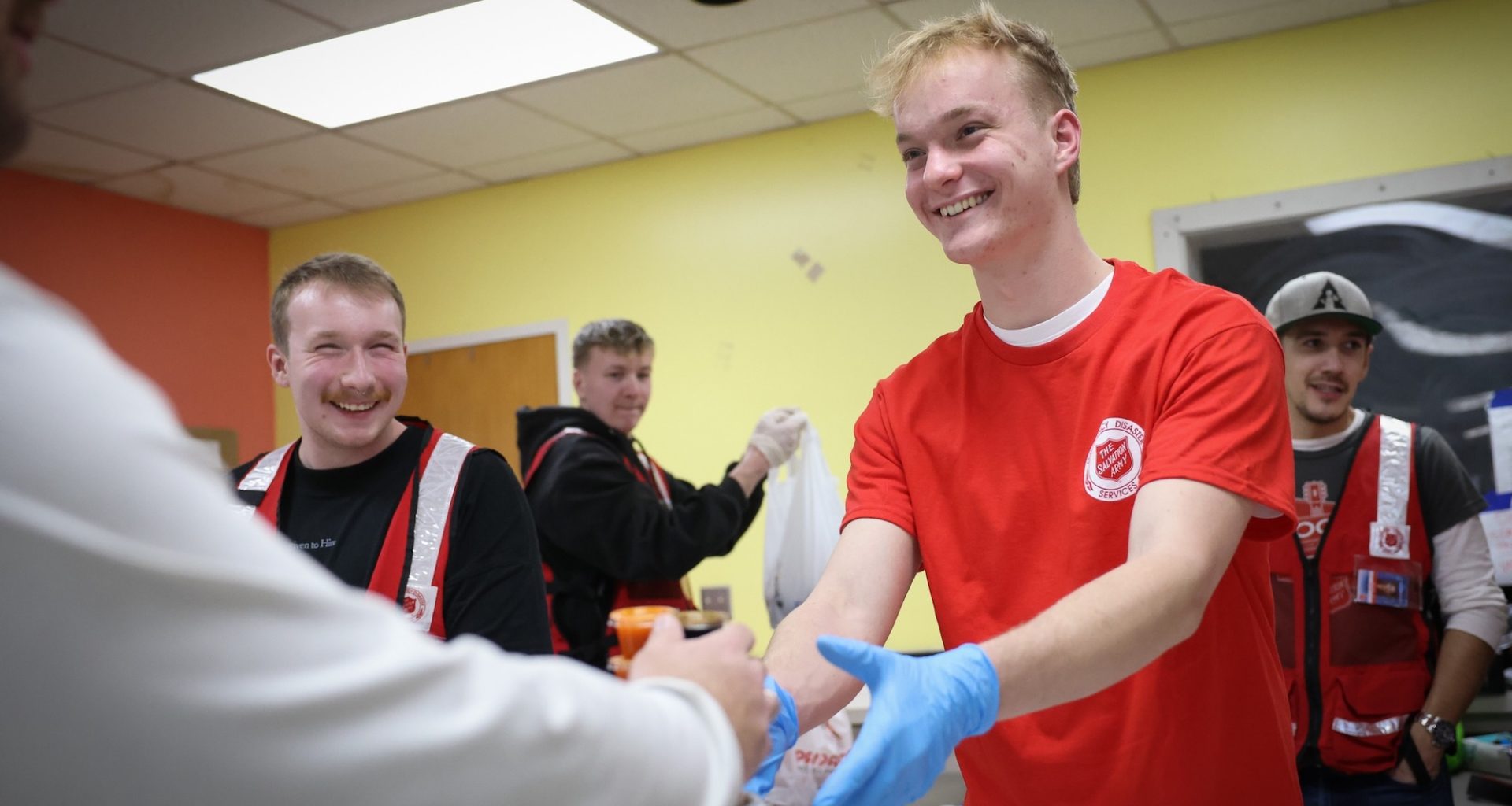
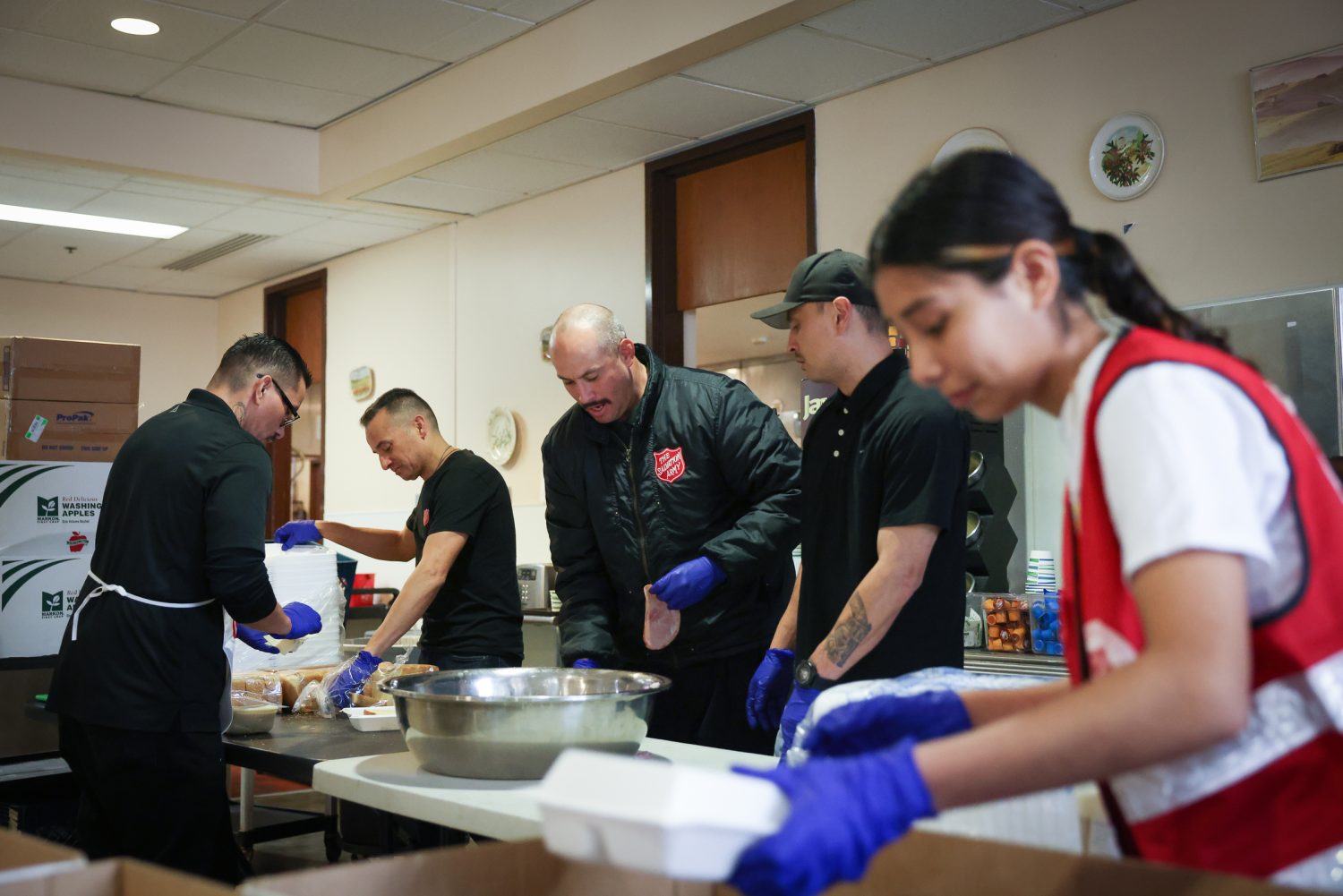
In the wake of the disaster, The Salvation Army Southern California Division mobilized its Emergency Disaster Services (EDS) to support evacuation centers and resource hubs across Los Angeles County, helping provide hot meals, clean-up kits, air purifiers and emotional support to survivors.
As the fires subsided and communities began to assess the extensive damage, many families were left to pick up the pieces.
“We help provide that immediate relief, but in many cases, that’s just the start of the support after a disaster,” said Nicholas Nguyen, Divisional Emergency Disaster Services (EDS) and Service Extension Director for The Salvation Army Southern California Division.
To support long-term recovery, The Salvation Army implemented the role of disaster case managers to help families navigate housing, financial assistance, and rebuilding, while providing ongoing emotional support.
“Disaster recovery is complex, and for many, it’s their first time facing something like this, so they don’t even know where to start.”
Barbara Colombo-Taylor, Disaster Case Manager
“Disaster case managers serve as the primary point of contact for families and really become a guide through the recovery process,” Nguyen said.
Just a few months after the fires, Barbara Colombo-Taylor joined the team as a Disaster Case Manager based at the Pasadena Tabernacle Corps, and said she quickly realized that recovery after a disaster is far from a “quick fix.”
“There’s no one-size-fits-all solution,” she said. “Working alongside myself or our other two case managers helps families navigate each step and access the right resources for them.”
She manages up to 50 active cases at a time, with new families added each week as other organizations scale back support, resources and financial aid. On a typical day, she balances as many as seven in-office meetings along with numerous phone calls.
In every case, the goal is for the family to return to a living situation similar to what they had before the fires.
“Every situation is so different, and each family has unique needs and obstacles,” Colombo-Taylor said. “We see many individuals with existing plans for rebuilding their homes, but still need guidance on resources, temporary housing, or tools and supplies to clean up their properties.”
She recalled one mother who was living with her children in an RV on their burned lot in Altadena with little to no electricity, while also facing exposure to lingering toxins in the air.
“It was a situation we needed to get them out of,” Colombo-Taylor said. “We housed them in an Airbnb for the past two months, and now she’s looking to purchase a new RV while they rebuild their home.”
Once the RV is in place, the family will live on their land as Colombo-Taylor helps coordinate with partner agencies who can secure permits, clear the property and handle remediation.
“Families are grateful for the help,” Colombo-Taylor said. “Disaster recovery is complex, and for many, it’s their first time facing something like this, so they don’t even know where to start.”
She described another case involving an individual whose home was half destroyed in the Palisades fire, and who is handling most of the rebuilding and repairs himself.
Colombo-Taylor said she used financial assistance to help the man replace tools and equipment lost in the fire, allowing him to rebuild the fence around his property. She also coordinated with Hope Crisis Response Network to begin roof repairs.
“Once people see things moving in the right direction, they start to feel hope and regain a sense of control over their lives,” she said. “Clients often tell us how relieved they feel knowing they’re not facing this alone.”
While the flames have subsided, rebuilding lives and communities is just beginning, complicated by fears of future wildfires, unstable burn-scarred ground, slow insurance claims and the ongoing challenge of reconstructing homes and infrastructure.
“Some cases are closed in months, and some will require support for years to come,” Nguyen said. “The Salvation Army’s role is to be there as long as there is a need.”
Do Good:
- Join us in giving joy to families who are experiencing poverty, hunger, job loss and more. Your generosity offers joyful reassurance that even during our most challenging times, we are not alone.
 Download this page as a PDF