


Listen to this article
A hotel voucher program gives people a safe place to heal
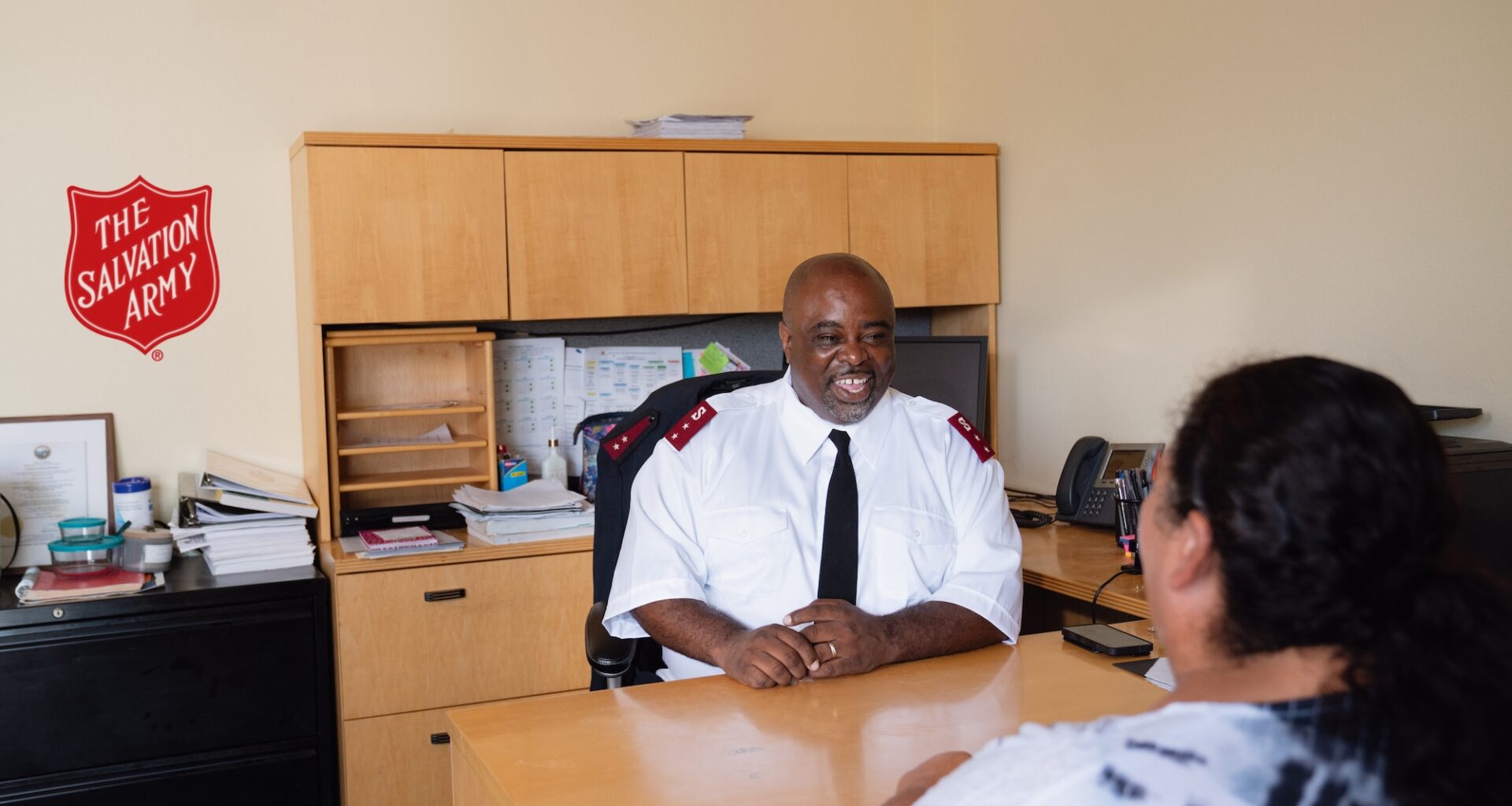
When Social Service Worker Claire McEvoy arrives at The Salvation Army Loveland (Colorado) Service Extension Center each morning, respite requests are typically waiting in her inbox.
The requests come via hospital discharge notes, often outlining conditions like pneumonia, post-surgery recovery and injuries requiring rest—instructions that are typically unattainable for patients experiencing homelessness.
Before noon, McEvoy makes arrangements with nearby hotels, securing rooms so individuals leaving the hospital have a safe place to recover.
The coordination is part of The Salvation Army’s Loveland Hotel Respite Voucher Program, which provides temporary hotel accommodations to individuals experiencing homelessness who need a safe place to heal from short-term illness or medical procedures.
“Respite gives people an opportunity to collect themselves, feel better and focus on getting well,” McEvoy said.
According to the National Library of Medicine, patients experiencing homelessness who are discharged to medical respite programs experience significantly fewer hospital readmissions and emergency room visits.
Loveland Service Extension Center Director Olga Duvall and Advisory Board Member Linda Franklin launched the Respite Hotel Voucher Program in 2019 after realizing no similar service existed in the area.
“I remember asking, ‘Is there not a program here that could help meet these folks’ needs?’” Franklin said. “I can’t imagine being ill and needing to get better without access to basic necessities.”
Franklin, who previously worked in a nonprofit medical clinic, had seen similar challenges in the past. After moving to Loveland and volunteering at The Salvation Army, she noticed individuals arriving after hospital discharge who were seeking support but had nowhere safe to recover.
“People would come in for food, clothing and ask about sheltering services,” Franklin said. “We wanted to have solutions for them.”
Working alongside Duvall, Franklin helped develop partnerships with local hospitals, medical providers and area hotels, creating a referral system for patients experiencing homelessness.
Today, referrals come directly from local hospitals when a patient is well enough to be discharged but still requires time to recover before returning to potentially unstable living conditions.
“Respite gives people an opportunity to collect themselves, feel better and focus on getting well.”
Claire McEvoy
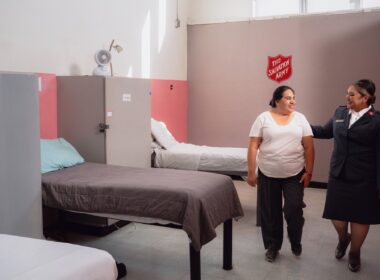
Once accepted, program participants are placed in nearby hotel rooms—often within walking distance of the Service Extension Center—for stays of up to two weeks. During that time, they receive food assistance, hygiene supplies and transportation support through bus vouchers, helping remove barriers to healing.
“We’re not medical providers, but we make sure patients stay connected to the care they need,” Duvall said. “Many people tell us, ‘You saved my life. I don’t know what I would have done without this opportunity.”
During the frigid Colorado winter of 2025, the heater went out in John Butler’s camper. He couldn’t afford to fix it at the time and continued living in the camper, developing severe frostbite to his hands and feet.
Butler was hospitalized. Upon discharge, doctors instructed him to stay warm and limit use of his hands and feet to prevent further injury.
He said his living conditions made that difficult, prompting his connection with the Hotel Respite Voucher Program.
“It really helped me,” Butler said. “Without having a place to stay, I don’t think I would have recovered.”
Butler continues to visit the Service Extension Center now as a volunteer, helping ensure visitors can access essentials.
“I have a lot of gratitude for the program,” he said. “I want to help the community too.”
He said his housing situation is now more stable after making repairs to his camper to ensure proper heating and cooling.
Butler’s experience is one of hundreds served through the program each year. In 2025, The Salvation Army of Loveland provided 1,749 nights of hotel shelter to 238 individuals experiencing homelessness.
After a falling tree branch broke Jennifer Queen’s jaw while she and her husband were living in their car, Queen was placed in a hotel room through the program, giving her time to safely recover following her hospital stay.
“It took some worry away,” Queen said. “I was able to rest and heal in a comfortable space.”
During each stay, program participants can work alongside McEvoy and Duvall to connect to local resources for additional shelter options, including transitional housing programs and emergency shelters.
In addition, individuals are enrolled in the Homeless Management Information System (HMIS) and added to the community’s housing list, helping connect people to longer-term housing resources once they’re available.
“This program gives people the chance to heal safely and begin moving forward,” Duvall said.
As the Loveland Service Extension Center approaches its 10-year anniversary this March, Duvall said the continued growth of the respite program highlights the power of communities working together.
The program’s success has also prompted other Salvation Army centers to replicate the model, including a similar hotel voucher program at the Glenwood Springs (Colorado) Service Center.
“Even small steps matter,” Duvall said. “When we all work together, we can make sure people receive the dignity and care to improve and regain stability.”
Do Good:
- Join us in giving joy to families who are experiencing poverty, hunger, job loss and more. Your generosity offers joyful reassurance that even during our most challenging times, we are not alone.
 Download this page as a PDF