


Listen to this article
A team from the USA Western Territory supports the ongoing response following Hurricane Melissa.
After Hurricane Melissa made groundfall in Jamaica in October 2025 as a Category 5 storm— the most severe to strike the island in modern history—it left behind an unprecedented trail of destruction.
In the months following, The Salvation Army Western Territory deployed a dedicated team of leaders and volunteers to support the ongoing recovery effort there, joining local Salvation Army teams and international partners to meet urgent needs and strengthen long‑term recovery.
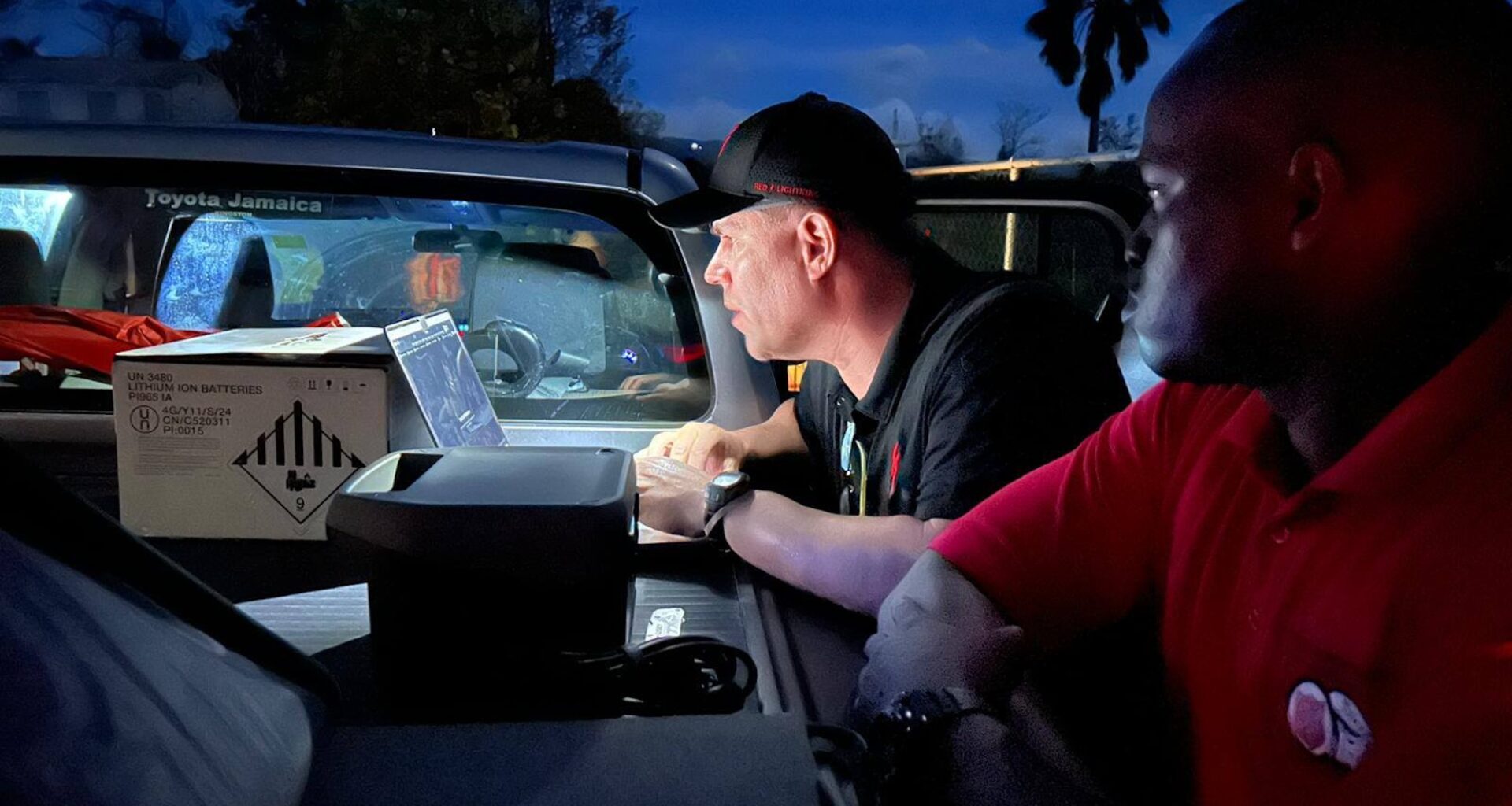
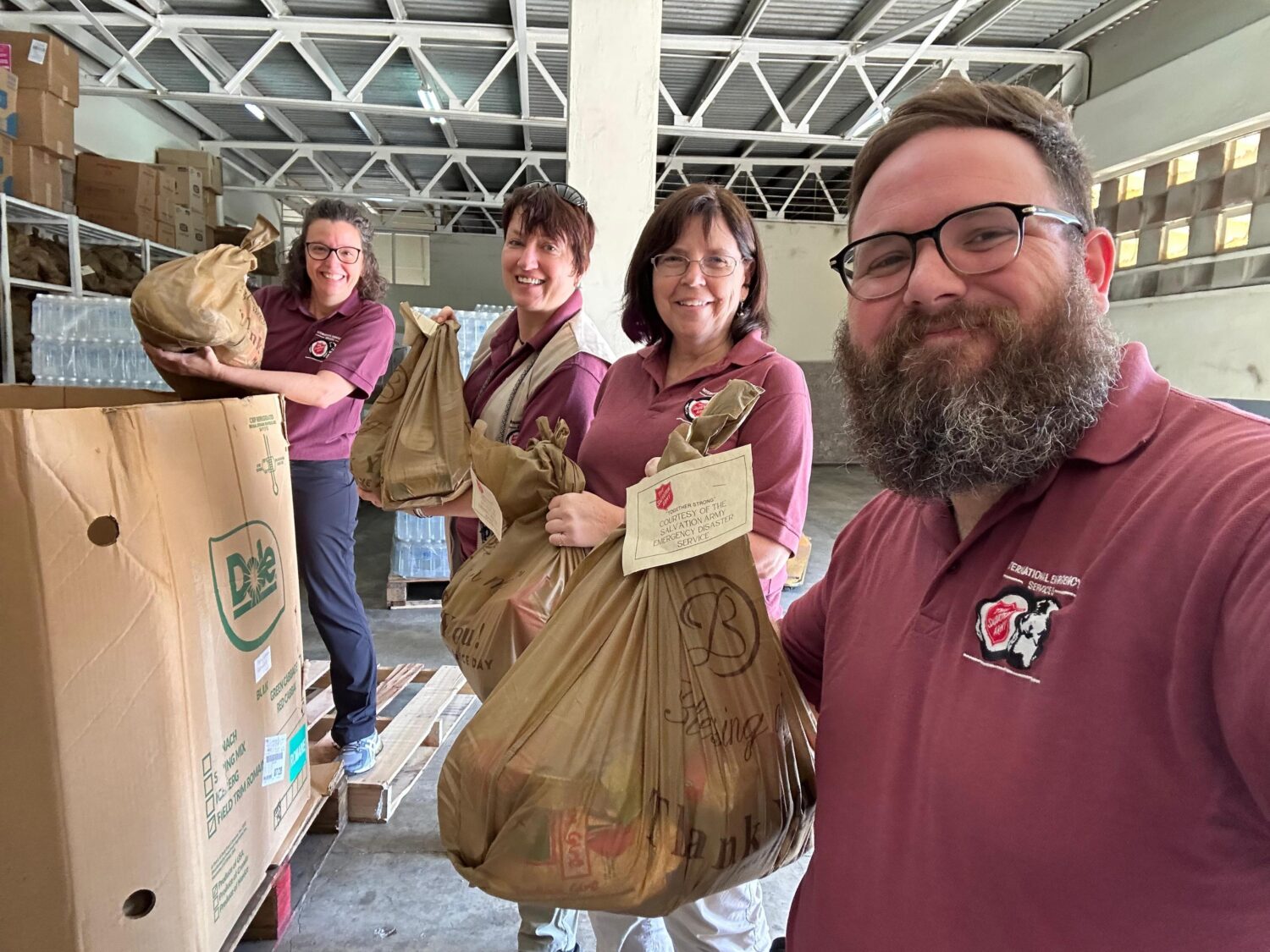
Among those deployed were Territorial Emergency/Disaster Services (EDS) Deputy Director Nicole Kanne, serving on her first international deployment; Salvation Army Intermountain Division EDS Director Ian Anderson; volunteer Victor Leonardi; and Red Lightning CEO Michael Shiffler, whose team provides critical communications support through the installation of Starlink systems.
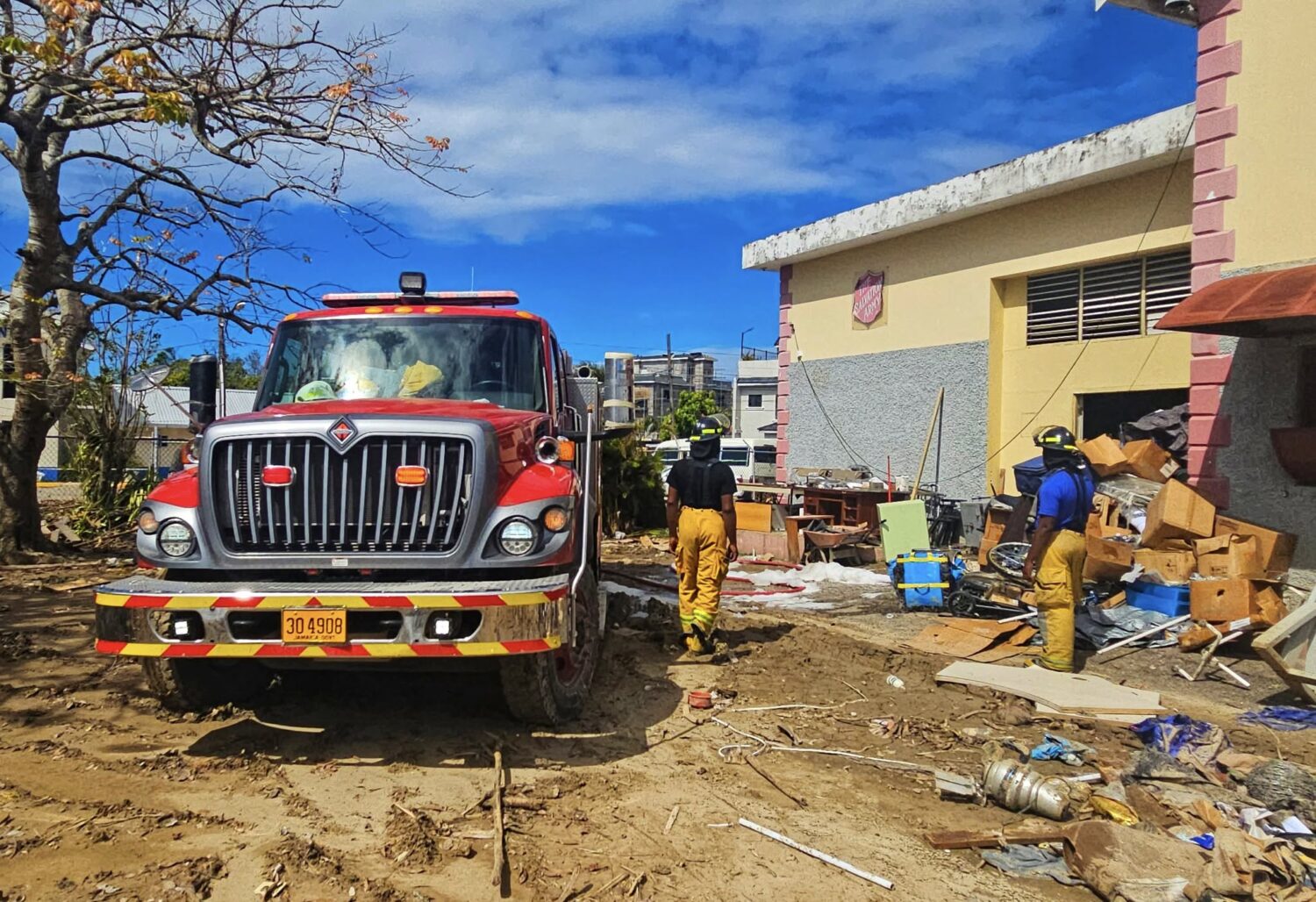
Working alongside Jamaican Salvation Army teams and international responders, the Western Territory team has contributed to a large‑scale mass care operation that has already served more than 225,000 people, provided over 70,000 hot meals, and delivered more than 125,000 meal kits. These efforts are part of a sustained Salvation Army presence that began before the storm and continues as communities move from immediate response into recovery.
For Kanne and Leonardi, the deployment marks a significant milestone.
“This deployment has reinforced why preparedness and partnership matter,” Kanne said. “The needs are real and ongoing, and the collaboration between local leaders, international teams and private partners allows us to respond with both speed and compassion.”
Leonardi echoed that sentiment, noting that serving alongside experienced disaster leaders has been formative.
“Connectivity is a lifeline in disasters. When responders can communicate, help reaches people faster.”
Michael Shiffler
“It takes many hands to help an island recover from catastrophe, and The Salvation Army’s partnership with other nonprofits that responded was critical to help individuals and families receive resources.”
Anderson, in his third international deployment, brings extensive disaster leadership to the operation, supporting coordination and logistics across feeding, distribution and community engagement.
“Every deployment builds on the last,” Anderson said. “In Jamaica, the strength of local Salvation Army leadership, combined with international support, has made it possible to scale services quickly while keeping people at the center of every decision.”
Reliable communications have been essential to that coordination. Through Red Lightning, Shiffler’s team has installed Starlink systems to restore connectivity in affected areas, enabling responders to communicate, track needs and coordinate resources.
“Connectivity is a lifeline in disasters,” Shiffler said. “When responders can communicate, help reaches people faster.”
While some have questioned how long international teams would remain, Salvation Army leaders emphasized their enduring commitment. The organization was present before the disaster, remains active now, and will continue to walk alongside Jamaican communities for as long as there is need.
As recovery continues, The Salvation Army Western Territory team remains committed to supporting Jamaica through feeding, emotional and spiritual care, and practical assistance—working hand in hand with local Salvation Army officers, staff and volunteers to help communities rebuild with hope.
With reporting by Nicole Kanne
Do Good:
- When disaster strikes, The Salvation Army is already there to provide immediate relief and long-term recovery support. By working together, we can make a significant impact on the lives of those affected by disasters. See more here.
 Download this page as a PDF